







All Product Categories
First Alert Smoke Alarms
First Alert smoke alarms are designed to deliver trusted protection and early fire detection for your home or business. From easy-to-install First Alert smoke detectors to reliable First Alert hardwired smoke alarms, these products provide peace of mind with proven performance. Explore the full range of First Alert smoke alarms to keep your family and property safe.
Battery Smoke Alarms
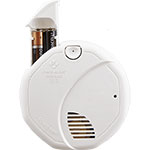
First Alert Battery Operated Smoke Alarms are easy to install and are capable of providing 10 year of smoke and fire protection.
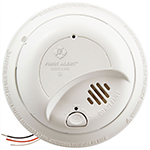
Hardwired Smoke Alarms
First Alert Hardwired Alarms plug into your home’s preexisting system. All First Alert Hardwired Smoke Detectors come equipped with a battery backup and interconnected feature that enhances peace of mind.
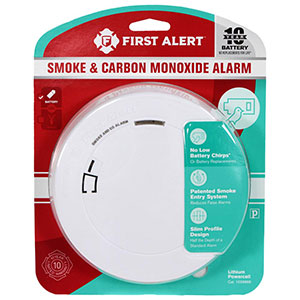
10 Year Smoke Alarms
First Alert Ten Year Smoke Alarms provide a decade's worth of uninterrupted protection. Ten Year Smoke Detectors are available as Hardwired Alarms and Battery Operated Alarms.
Photoelectric Smoke Alarms
First Alert Photoelectric Smoke Detectors come equipped with a photoelectric smoke sensor that provides the earliest possible warning to slow and smoldering fires.
Ionization Smoke Alarms
First Alert Ionization Smoke Detectors come equipped with an ionization sensor that provides the earliest possible warning to fast flaming fires.
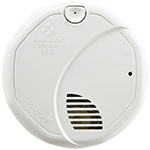
Dual Sensor Smoke Alarms
For maximum protection and full coverage from all types of fires, your best option is to use a dual sensor smoke detector that features both photoelectric and ionization sensing technologies.

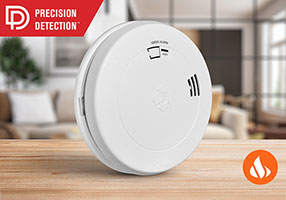
Precision Detection Smoke Alarms
This new technology complies with the latest industry standards to reduce nuisance alarms and detect smoke from synthetic materials. Early warning is critical because today's materials burn hotter and faster, and may result in less time for a safe evacuation.
All Smoke Alarms
First Alert is one of the most reliable brands when it comes to smoke alarms and fire prevention. Find the newest smoke detectors including: photoelectric smoke alarms, dual sensing smoke alarms and combo smoke alarms.
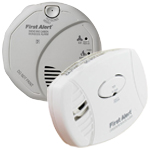
First Alert Carbon Monoxide Detectors
First Alert Carbon Monoxide Alarms provide reliable protection against the dangers of carbon monoxide, an invisible and odorless gas. Designed with advanced sensors, these alarms quickly detect elevated CO levels and sound a loud, clear warning to help keep your family safe. Easy to install and available in battery-operated, plug-in, and hardwired options.
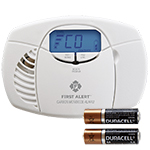
Battery CO Alarms
Battery operated carbon monoxide alarms provide tremendous flexibility as they can immediately be setup and installed without a wired connection.
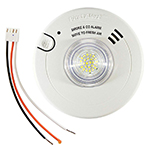
Hardwired CO Alarms
Hardwired carbon monoxide alarms come equipped with all of the necessary equipment needed for seamless installation and quick activation.
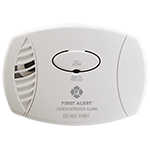
Plug-In CO Alarms
By removing installation obstacles and simplifying the installation process, plug-in co detectors represent an excellent solution for safeguarding a surrounding area from the dangers of carbon monoxide.
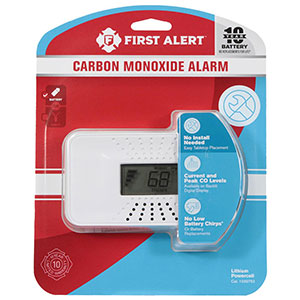
10 Year Carbon Monoxide Alarms
Ten Year CO Alarms offer a decade's worth of uninterrupted protection against the the silent killer, carbon monoxide.
All Carbon Monoxide Alarms
Carbon monoxide alarms featuring a variety of different features including; 10 year battery, child awakening, voice location, combo alarms and more.

First Alert Smoke and Carbon Monoxide Alarms
Protect your home with trusted First Alert smoke and carbon monoxide alarms designed to provide early warning of fire smoke and dangerous CO gas. These combination alarms help save space while delivering dual protection in bedrooms, hallways, living areas, and other key locations throughout the home. Shop reliable battery-powered, hardwired, and smart alarm options built for dependable everyday safety and peace of mind.
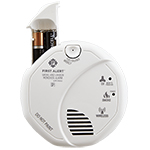
Battery-Operated Combo Alarms
Battery operated combination alarms provide dual protection from the dangers of smoke and carbon monoxide.
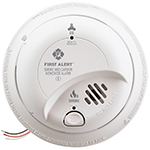
Hardwired Combination Smoke & Carbon Monoxide Alarms
Easy to install hardwired combination detectors provide dual protection from the dangers of smoke and carbon monoxide.
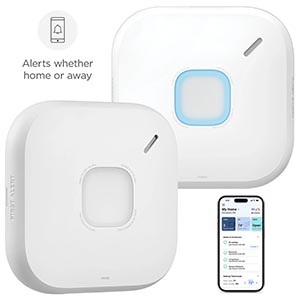
Smart Smoke and Carbon Monoxide Detectors
First Alert Smart Smoke Alarms are advanced safety devices that offer comprehensive protection against the dangers of fire, smoke, and carbon monoxide. Unlike traditional detectors, these smart versions connect to your home's Wi-Fi network, providing real-time alerts and notifications directly to your smartphone, even when you're away from home.
All Combination Alarms
First Alert combo alarms help protect from smoke, fire, carbon monoxide and explosive gas. Perfect for hallways, garages or large appliances.
Interconnected Alarms
Create a smoke and carbon monoxide detector network with these revolutionary wireless interconnected smoke and carbon monoxide alarms.
10 Year Battery Alarms
First Alert 10-year sealed battery alarms provide reliable protection that lasts for a decade, without the hassle of battery replacements and late night low battery chirps.
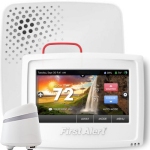
ONELINK by First Alert
First Alert ONELINK products, bring functionality and convenience no matter where you are. Control and monitor these revolutionary devices directly from your smartphone!

EZ Extinguishing Spray
First Alert EZ Extinguishing Spray provides reliable fire extinguishing power that's quick and easy to use. Stop fires before they have a chance to spread with this useful extinguishing spray.
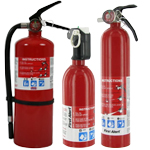
Fire Extinguishers
Various UL rated fire extinguishers, find the perfect extinguisher for your needs whether it be for home or commercial use.
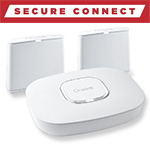
Wi-Fi Mesh Router Systems
With Onelink Secure Connect's wireless mesh routers, you're always connected, always protected. They work together or separately to provide high-speed WiFi, while also offering the best in cybersecurity from the leading brand in home safety.
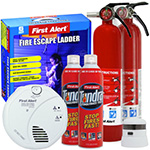
Bulk and Multipack Savings
Save money and gain maximum protection by purchasing First Alert smoke and CO alarms in bulk. Perfect for contractors or for home owners with multiple rooms/floors.
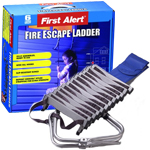
Other Safety Products
Find a variety of useful safety products including radon testing kits, tundra fire spray, escape ladders and heat alarms.

First Alert Canada
While the Canadian market primarily offers traditional and interconnected alarms, First Alert also has smart models with Wi-Fi connectivity and smartphone alerts available, offering enhanced monitoring and control for modern smart homes.
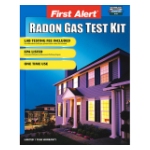
Environmental Test Kits FAQ
Environmental test kits frequently asked questions contain everything you need to know about First Alert's water test kit, mold test kit, radon test kit and lead test kit.
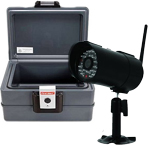
Home Security
Includes home security products such as; security cameras, dvr recording systems, security chests, home safes, fire and water safes, gun safes and other security products.
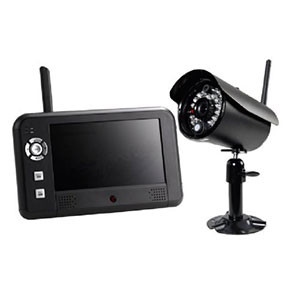
Security Cameras
First Alert Home and Office Security Cameras featuring wired and wireless security systems.
Looking for a Discontinued Product?
If you're trying to find manuals, specifications, or support information for older or discontinued items, we've got you covered. Browse our archive of discontinued products to access product details, documentation, and helpful resources.
View Discontinued ProductsNote: These products are no longer available for purchase but may still have support resources available.