






Battery Operated Combo Smoke & Carbon Monoxide Alarms
First Alert battery-operated combination smoke and carbon monoxide alarms provide two types of detection in one convenient device. Each alarm monitors for smoke from a potential fire and carbon monoxide, an invisible and odorless gas that can only be identified with a CO detector. Combining both sensors into one alarm can simplify installation while helping protect your home against two serious dangers.
Because these alarms operate independently from household electrical wiring, they can be installed in many areas without requiring a hardwired alarm connection. This makes battery-powered combination alarms a practical option for older homes, apartments and rooms where alarm wiring is unavailable. Installation requirements vary, but most models attach to a wall or ceiling using an included mounting bracket.
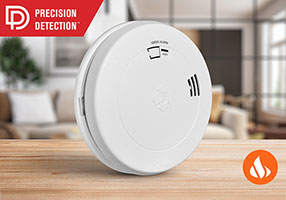
Available features may include Precision Detection advanced sensing technology, voice alerts, slim-profile designs, wireless interconnection, smart notifications, test and silence buttons, low-battery warnings, and end-of-life alerts. Features and battery types vary by model, so compare the product specifications before selecting an alarm.
Shop First Alert battery-operated smoke and carbon monoxide detectors to add 2-in-1 protection throughout your home. When comparing models, consider whether you prefer replaceable batteries or a sealed 10-year power source, along with the alert, connectivity and maintenance features that best fit your household.
Why Choose a Battery-Operated Combination Alarm?
Battery-operated combination alarms provide smoke and carbon monoxide detection without requiring a connection to household wiring. They are often easier to add to existing homes and can provide flexibility when placing alarms in areas without an available hardwired connection.
A combination alarm can also reduce the number of separate devices needed in a room or hallway. Instead of installing one smoke alarm and a separate carbon monoxide detector, a 2-in-1 alarm monitors for both dangers from a single location.
Replaceable Batteries vs. Sealed 10-Year Batteries
Some First Alert battery-operated combination alarms use replaceable batteries. These models allow you to install new batteries when the low-battery warning sounds. Battery size and replacement frequency vary, so follow the instructions provided with the specific alarm.
Other models have a sealed battery designed to power the alarm for its rated service life. Sealed 10-year battery alarms reduce routine battery maintenance, but the entire alarm must be replaced when the battery reaches the end of its life. A 10-year battery does not eliminate the need for regular alarm testing.
Choosing the Right Battery-Powered Smoke and CO Alarm
Begin by comparing the alarm’s battery type, sensor technology and maintenance requirements. If you want straightforward protection, a standard battery-operated combination alarm may provide the essential features you need. Models with voice alerts can help distinguish between smoke and carbon monoxide warnings, while slim-profile alarms provide a less noticeable appearance on the wall or ceiling.
For connected protection, look specifically for wireless interconnection or smart connectivity. Standard battery operation does not necessarily mean an alarm can communicate with other devices. Confirm model compatibility before attempting to connect multiple First Alert or BRK alarms.
Installing Battery-Operated Combination Alarms
Battery-powered alarms do not require electrical wiring, but they must still be securely mounted and placed correctly. Follow the mounting, spacing and location requirements supplied with the alarm. Avoid choosing a location solely because it is easy to reach or convenient to install.
After installation, activate the alarm as directed and use the test button to confirm proper operation. Everyone in the home should recognize the different smoke, carbon monoxide, low-battery and end-of-life signals produced by the alarm.
Maintaining Your Combination Alarms
Test each alarm regularly according to its user manual. Replace removable batteries when the low-battery signal sounds and never remove a battery to silence an unwanted alarm. If nuisance alarms occur, review the alarm’s location and cleaning instructions.
Combination alarms must eventually be replaced because their sensors have a limited service life. Check the manufacture date, replacement date and end-of-life information printed on the alarm. Replace the entire device when it reaches the end of its rated life, even if it appears to be working during a routine test.