





Hardwired Combination Smoke & Carbon Monoxide Alarms
First Alert hardwired combination smoke and carbon monoxide alarms provide two types of protection in a single device. Each alarm monitors for smoke from a potential fire and carbon monoxide, an invisible and odorless gas that cannot be detected by the senses. Combining both sensors in one alarm can simplify installation and reduce the number of separate devices needed throughout your home.
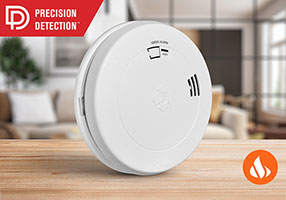
These hardwired smoke and CO alarms connect to your home’s electrical system for dependable everyday power. Models with battery backup help maintain protection during a power outage, while low-battery and end-of-life alerts provide reminders when maintenance or alarm replacement is needed. Available features vary by model and may include Precision Detection advanced sensing technology, voice and location alerts, 10-year battery backup, smart connectivity, and easy-access test and silence controls.
Many First Alert hardwired combination alarms can be interconnected with other compatible First Alert or BRK alarms. When one connected alarm detects smoke or carbon monoxide, all compatible alarms in the system sound together. This whole-home warning helps alert occupants throughout multiple rooms and levels, even when the danger begins in a distant area of the house.
Shop First Alert hardwired combination smoke and carbon monoxide detectors to replace compatible existing alarms or build a more connected home safety system. Review each product’s power source, backup-battery type, interconnect compatibility and available alert features before purchasing. Hardwired alarms should be installed according to the included instructions and applicable local electrical and fire-safety requirements.
First Alert Hard Wired Smoke and CO Alarms
Why Choose a Hardwired Combination Smoke and CO Alarm?
A hardwired combination alarm provides smoke and carbon monoxide detection in one space-saving device. Because the alarm receives its primary power from the home’s electrical system, it is well suited for new construction and homes that already have hardwired alarms installed. Models with battery backup add another layer of protection by helping the alarm remain operational during a power outage.
Using combination alarms may also simplify whole-home protection. Instead of installing separate smoke and carbon monoxide detectors in the same area, one compatible device can monitor for both dangers. This can reduce the number of alarms installed while making routine testing and maintenance more convenient.
Understanding Hardwired Interconnection
Many First Alert hardwired smoke and carbon monoxide alarms can be interconnected through the home’s alarm wiring. When one compatible alarm detects smoke or carbon monoxide, the other connected alarms sound as well. This helps provide a warning throughout the home, including bedrooms and areas located away from the original danger.
Interconnection compatibility varies between alarm families and models. Before replacing or adding an alarm, compare the model numbers and consult the product manual to confirm that the new alarm can communicate with the other alarms in your system.
Choosing the Right First Alert Combination Alarm
Start by determining whether your home already has hardwired alarms and whether those alarms are interconnected. You can then compare backup-battery types and additional features such as voice alerts, location announcements, Precision Detection technology, smart notifications and 10-year battery backup.
Voice and location alerts can be especially helpful in larger or multilevel homes because they may identify whether smoke or carbon monoxide was detected and indicate where the emergency began. Smart models can add mobile notifications and connected-home features, while standard hardwired models provide dependable protection without requiring an app or Wi-Fi connection.
Replacing an Existing Hardwired Alarm
Check the model number and manufacture date printed on your existing alarm before selecting a replacement. A replacement may require a new mounting bracket or an included adapter, even when both alarms are made by First Alert. Never assume that two alarms are compatible based only on their appearance or brand name.
Turn off power to the alarm circuit before beginning installation and follow the instructions included with the new alarm. If you are uncertain about your home’s wiring, interconnect system or local electrical requirements, have the alarm installed by a qualified electrician.
Smoke and Carbon Monoxide Alarm Placement
Install the number and type of alarms required by the manufacturer and your local building or fire code. Smoke alarms are generally recommended inside every bedroom, outside each sleeping area and on every level of the home, including the basement. Carbon monoxide protection should also be installed on each level and near sleeping areas.
Placement requirements can differ depending on the alarm model, ceiling shape, nearby cooking appliances and sources of fuel-burning exhaust. Always follow the installation distances and restrictions listed in the product manual.
Testing and Replacing Your Alarms
Test alarms regularly using the test button and replace backup batteries according to the manufacturer’s instructions. Do not ignore chirping, low-battery indicators or end-of-life warnings. These signals may indicate that the backup battery or the entire alarm needs to be replaced.
Smoke alarms should generally be replaced when they reach 10 years of age. Combination alarms may have different service-life requirements for their smoke and carbon monoxide sensors, so check the manufacture date and replacement guidance printed on the alarm and included in its manual.