





First Alert Smoke and Carbon Monoxide Alarms
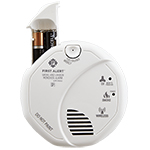
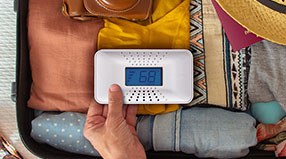
Battery-Operated Combo Alarms
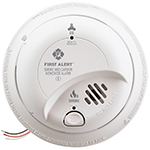
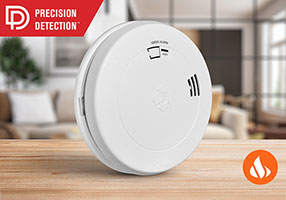
Hardwired Combination Smoke & Carbon Monoxide Alarms
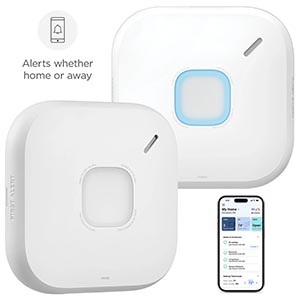
Smart Smoke and Carbon Monoxide Detectors
All Combination Alarms
Maximize your home safety with First Alert smoke and carbon monoxide detectors. These advanced 2-in-1 devices provide comprehensive protection against two deadly threats—fire and invisible CO gas—in a single, space-saving unit. Whether you are upgrading your entire home or replacing a single unit, First Alert offers industry-leading technology to keep your family secure.
Reliable Protection for Every Installation
First Alert Hardwired Smoke and Carbon Monoxide Alarms
Ideal for newer homes, a First Alert hardwired smoke and carbon monoxide alarm connects directly to your home's electrical system. Most models include a battery backup to ensure 24/7 monitoring even during power outages. These units are often interconnectable, meaning if one alarm sounds, they all sound, providing an essential early warning throughout the house.
First Alert SC5 Smart Smoke and Carbon Monoxide Alarms
For the ultimate in modern safety, the First Alert SC5 smart smoke and carbon monoxide alarm series offers intelligent protection. These models feature "Intelligent Sensing Technology" to reduce nuisance alarms and can often speak to you, telling you the location and nature of the danger (e.g., "Warning: Evacuate. Smoke in the Kitchen").
Battery-Powered & 10-Year Sealed Models
If you need a First Alert smoke and carbon monoxide alarm battery operated unit, we offer both traditional 9V backup models and 10-year sealed battery alarms. 10-year models eliminate the need for battery replacements for the entire life of the sensor, providing "set it and forget it" peace of mind.
First Alert Smoke and Carbon Monoxide Alarm FAQs
How do I install a First Alert smoke and carbon monoxide alarm?
Installation depends on the model. Battery-powered alarms are typically mounted on a ceiling or high wall using the included bracket and screws, then activated by inserting or pulling the battery tab. Hardwired models connect to household wiring and mount to an electrical box. Always install alarms in recommended locations such as bedrooms, hallways, and each level of the home, and follow the specific instructions included with your First Alert alarm.
How do I reset a First Alert smoke and carbon monoxide alarm?
Most First Alert combination alarms can be reset by pressing and holding the Test/Silence button for several seconds. For battery models, you may also remove the battery, press and hold the Test button for 15 to 30 seconds, then reinstall the battery. For hardwired models, turn off power at the breaker before removing the unit if deeper troubleshooting is needed. Always refer to your model manual for exact reset steps.
What does 3 beeps on a First Alert smoke and carbon monoxide detector mean?
Three beeps on many First Alert alarms can indicate a smoke alarm event, but beep patterns vary by model. Some combination alarms use different audible patterns for smoke, carbon monoxide, low battery, or end-of-life warnings. Check the label on the alarm or your user manual to confirm the exact meaning for your specific model number.
Why is my First Alert smoke and carbon monoxide alarm beeping or chirping?
Beeping or chirping is commonly caused by a low battery, end-of-life warning, temporary power interruption, dust inside the sensing chamber, or a fault condition. Replace the battery if applicable, clean the alarm with a soft vacuum brush, and perform a reset. If chirping continues after troubleshooting, the alarm may need replacement depending on its age and model.
How long do First Alert smoke and carbon monoxide alarms last?
Most combination smoke and carbon monoxide alarms should be replaced based on the manufacturer's recommended service life, commonly 7 to 10 years depending on the model. Check the manufacture date printed on the unit and review the product manual for replacement guidance.
Where should I place First Alert combination smoke and CO alarms?
Install alarms inside every bedroom, outside sleeping areas, and on every level of the home. Follow local building codes and manufacturer instructions. Avoid placing alarms too close to cooking appliances, bathrooms with steam, or HVAC vents that may affect performance.