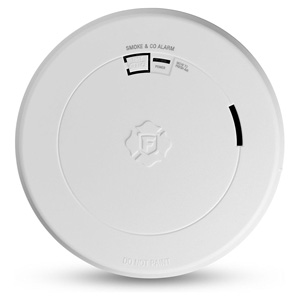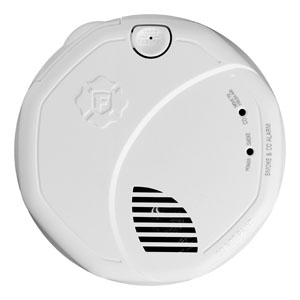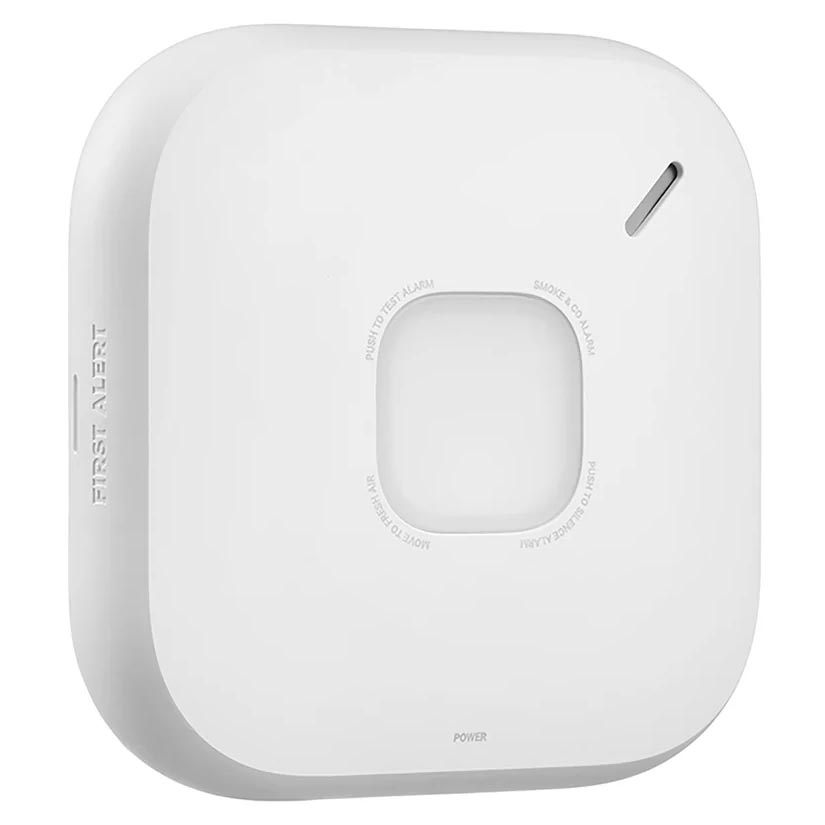
Smoke Alarm Installation and Placement
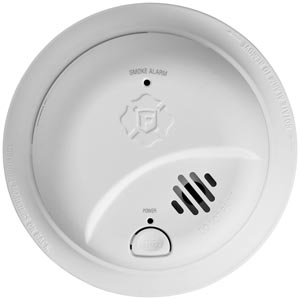
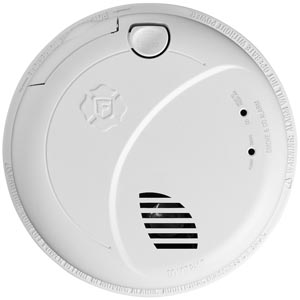
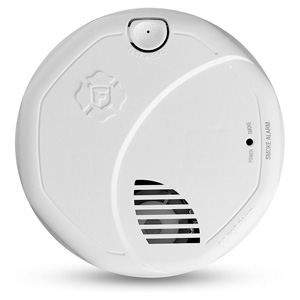
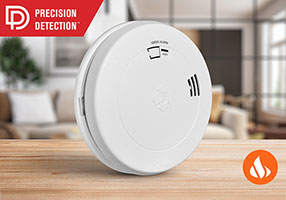
Ensure your home is protected with our First Alert smoke alarm installation guide. Learn the best placement for every room, understand NFPA recommendations, and avoid dead air zones to keep your family safe.
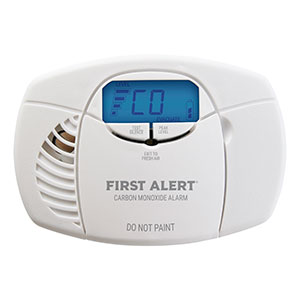
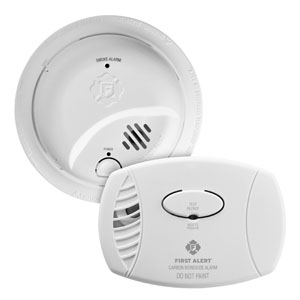
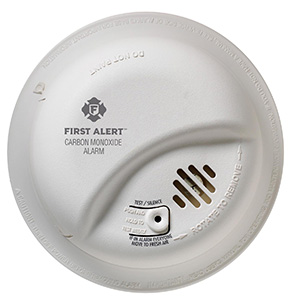
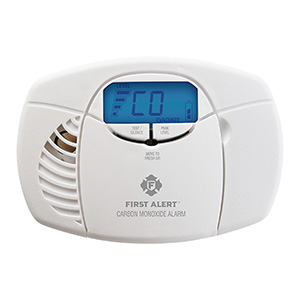
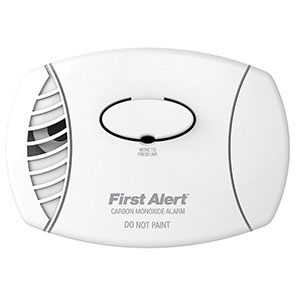
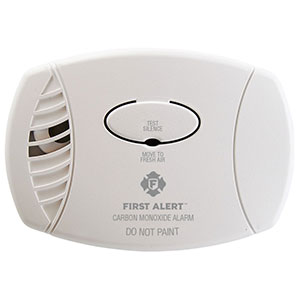
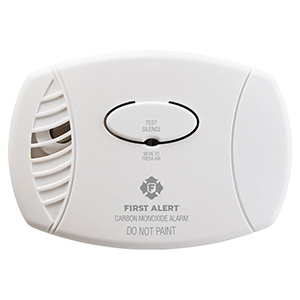
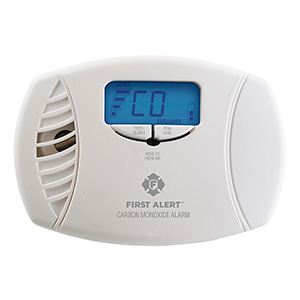
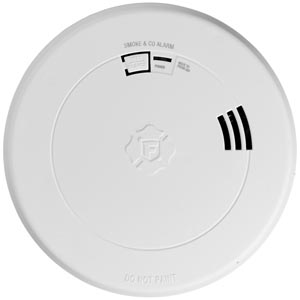
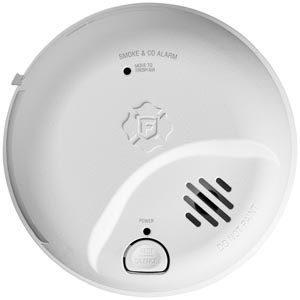
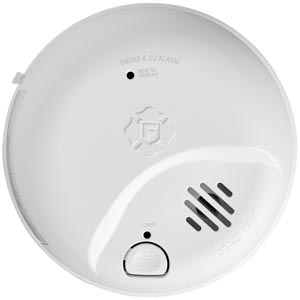
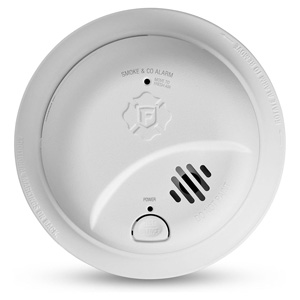
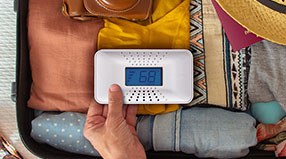
Proper carbon monoxide (CO) alarm placement and installation helps your home get the earliest warning possible. This guide covers where to install CO alarms, how many you may need, installation basics for different power types, rental/apartment considerations, and what to do if your alarm goes off.
CO is an invisible, odorless gas. The goal is to place alarms where they can wake you at night and alert you quickly if CO builds up anywhere in the home.
A common myth is that carbon monoxide “sinks” and alarms must be installed near the floor. In real homes, CO mixes with air and can be found throughout the room. That means placement is typically based on practical mounting and manufacturer instructions—not floor-level positioning.
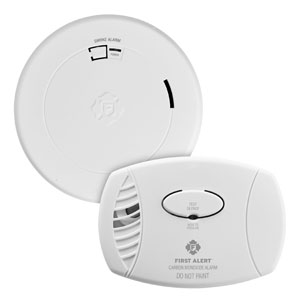
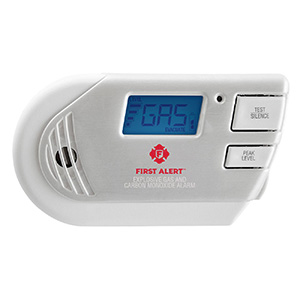
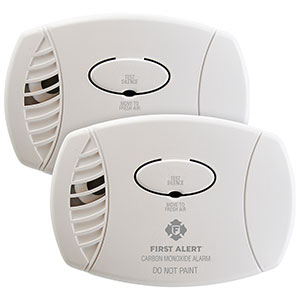
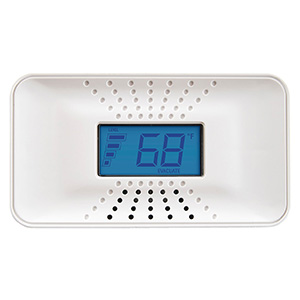
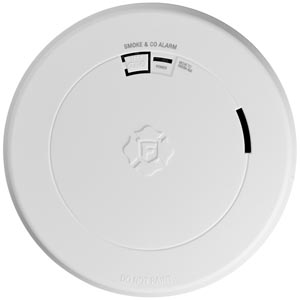
CO alarms come in several power options. Choose the type that fits your home and your comfort level with installation. If you’re ever unsure, use a qualified electrician or installer.
Many homes start with a simple rule of thumb: one CO alarm on every level plus one outside each sleeping area. Larger homes, split-level layouts, and homes with attached garages or fuel-burning appliances may benefit from additional coverage.
Responsibility and requirements can vary by local code and lease terms. The safest approach is to ensure there’s working CO coverage near sleeping areas and any level where people live or sleep.
Note: If you’re a tenant and you’re unsure what’s required, check your lease and local rules, and contact your property manager for guidance on approved alarm types and mounting methods.
Take every CO alarm seriously. If your alarm sounds, act quickly to protect everyone in the home.
No. Carbon monoxide mixes with air, so alarms are typically installed based on the manufacturer’s mounting instructions and practical coverage near sleeping areas and on each level of the home—not floor-level positioning.
A common starting point is one alarm on every level plus one outside each sleeping area. Larger or split layouts may need additional alarms for better coverage.
Often yes, as long as the outlet location isn’t blocked by furniture and the alarm won’t be accidentally switched off. Choose a location that provides strong coverage outside sleeping areas.
It’s usually better to place alarms nearby rather than directly next to fuel-burning appliances to reduce nuisance alarms and ensure the alarm samples typical room air. Follow your alarm’s manual for exact placement guidance.
Get everyone to fresh air immediately and call emergency services from outside. Do not re-enter until professionals confirm it’s safe.
Reminder: Always follow your specific First Alert product manual for exact mounting instructions, spacing guidance, and replacement timelines.
Ensure your home is protected with our First Alert smoke alarm installation guide. Learn the best placement for every room, understand NFPA recommendations, and avoid dead air zones to keep your family safe.
Learn where to install smoke alarms on every level and near bedrooms, plus where not to place them. Avoid “dead air” corners, vents, and ceiling fans for reliable detection.
Learn the differences between hardwired and battery smoke alarms and how to install each type. Includes wiring basics, placement tips, and when to choose each option.
Learn how to interconnect multiple smoke alarms so all units sound together. Covers hardwired interconnect, wireless options, compatibility tips, and troubleshooting.
Learn when to replace your First Alert smoke alarm, how to identify your connection type, choose the right replacement, install it safely, and dispose of old alarms responsibly.
Learn smoke alarm placement rules for apartments and rental homes, who is typically responsible for installation and upkeep, and hardwired vs battery options. Non-legal code basics included.
Learn where to install carbon monoxide alarms, how many you need, and placement tips for houses, apartments, and rentals - plus what to do when an alarm sounds.
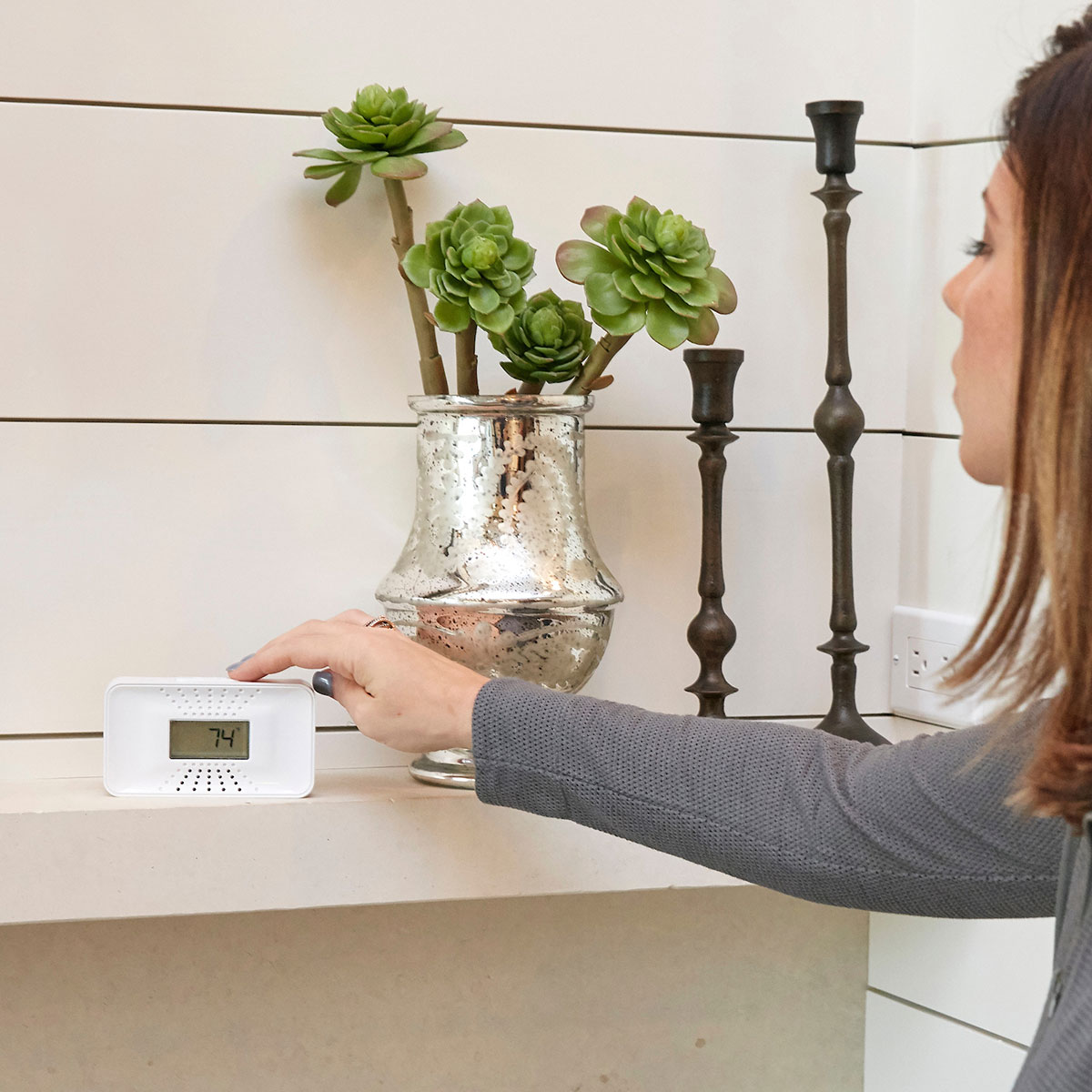
Learn where to place carbon monoxide detectors for best protection - every level, near sleeping areas, and the right distance from appliances. CO alarms don’t need to be near the floor.
Compare hardwired, battery, and plug-in carbon monoxide alarms and follow simple installation steps for each type, plus placement tips, safety notes, and FAQs.
Learn what carbon monoxide is, where it comes from, what CO detectors detect (and don’t), whether they detect natural gas, and how to know if your home needs CO alarms.
Learn when to replace your First Alert carbon monoxide alarm, how to swap battery, plug-in, or hardwired models step-by-step, choose the right replacement, and dispose safely.
Learn CO detector placement for apartments and rental homes, who typically handles installation and battery changes, hardwired vs battery vs plug-in options, and basic code concepts (non-legal advice).
Learn how often to test smoke and CO alarms, how to test step-by-step, what to do if a test fails, how to reset First Alert alarms, and how monthly cleaning helps prevent false alarms.
Contact options may differ depending on the type of help you need.