Smoke Alarm Installation and Placement
Ensure your home is protected with our First Alert smoke alarm installation guide. Learn the best placement for every room, understand NFPA recommendations, and avoid dead air zones to keep your family safe.
Smoke alarms are designed to get your attention quickly, but not every beep or alert means there is an emergency. A chirping alarm, repeated nuisance alarms, or a unit that keeps beeping even after a new battery is installed can all point to common maintenance or replacement issues. This guide explains the most frequent smoke alarm problems, what they usually mean, and what steps to take next.
If your alarm sounds and you suspect there may be a real fire, follow your home fire escape plan immediately and move to safety first. Only troubleshoot the alarm after everyone is safe.
This troubleshooting section helps answer some of the most common questions homeowners and renters have about smoke alarms, including:
A chirping smoke alarm usually means the unit needs attention, not that it has detected smoke. In many cases, the cause is simple and can be fixed quickly.
If the chirping continues after basic battery replacement and cleaning, check the age of the alarm. An older unit may simply need to be replaced.
Smoke alarms can use different sounds and light patterns to communicate different conditions. The exact pattern can vary by model, so the owner's manual for your specific unit is always the best reference. In general, these are the most common types of signals customers notice:
If you are unsure what your alarm pattern means, locate the model number on the back of the alarm and match it to the product manual for the most accurate guidance.
Nuisance alarms happen when a smoke alarm responds to something other than an actual fire emergency. This does not always mean the alarm is defective. Often, it means the unit is installed too close to everyday sources that can affect the sensor.
If nuisance alarms happen often in one location, placement may be the issue rather than the alarm itself.
Good placement and regular cleaning go a long way toward reducing nuisance alarms.
If an alarm is regularly triggered by normal kitchen activity, relocating the unit farther from the cooking source may help while still maintaining proper protection for the area.
This is one of the most common smoke alarm questions. A new battery does not always stop chirping right away if another issue is causing the warning.
A common reset approach is to remove the battery, disconnect power if the unit is hardwired, press and hold the test button for a period of time, then restore power and reinstall the battery properly. Always follow your model's instructions.
Yes. Smoke alarms should be replaced after 10 years because the sensing components can degrade over time. Even if the test button still works, that does not guarantee the smoke sensor is performing like a new unit.
The test button mainly confirms that the unit has power and can sound. It does not prove the sensing chamber is still operating at peak reliability after many years of service.
If your alarm is approaching or has passed the 10-year mark, replacement is the safest choice.
Many customers look for an "expiration date" on the alarm, but what they usually find is a manufacture date printed on the back or side of the unit. In most cases, you calculate replacement timing from that manufacture date.
If your alarm is chirping and the date shows it is near 10 years old, end-of-life replacement is often the correct solution.
Battery replacement steps can vary by model, but the general process is straightforward for traditional replaceable-battery alarms.
If your unit uses a sealed 10-year battery, the battery is not designed to be replaced. When that unit reaches end of life or begins its replacement warning, the entire alarm should be replaced.
Not all smoke alarms are maintained the same way. It is important to know which type you have.
Sealed battery models reduce routine battery replacement, but they still need testing, cleaning, and full replacement once they reach the end of their service life.
Basic troubleshooting can solve many common alarm issues, but some situations point clearly to replacement.
A chirping alarm usually points to a low battery, end-of-life warning, battery installation issue, or a maintenance problem rather than an active smoke event.
The battery may not be seated correctly, the drawer may not be fully closed, the unit may need to be reset, or the alarm may have reached the end of its service life.
Yes. Smoke alarm sensors can degrade over time, which is why replacement after 10 years is recommended even if the test button still works.
Cooking particles, especially from frying or high heat, can reach the alarm sensor and trigger a nuisance alarm if the unit is installed too close to the kitchen area.
No. Sealed 10-year battery alarms are designed so the battery is not replaced. When the unit reaches end of life, the entire alarm should be replaced.
Ensure your home is protected with our First Alert smoke alarm installation guide. Learn the best placement for every room, understand NFPA recommendations, and avoid dead air zones to keep your family safe.
Learn where to install smoke alarms on every level and near bedrooms, plus where not to place them. Avoid “dead air” corners, vents, and ceiling fans for reliable detection.
Learn the differences between hardwired and battery smoke alarms and how to install each type. Includes wiring basics, placement tips, and when to choose each option.
Learn how to interconnect multiple smoke alarms so all units sound together. Covers hardwired interconnect, wireless options, compatibility tips, and troubleshooting.
Learn when to replace your First Alert smoke alarm, how to identify your connection type, choose the right replacement, install it safely, and dispose of old alarms responsibly.
Learn smoke alarm placement rules for apartments and rental homes, who is typically responsible for installation and upkeep, and hardwired vs battery options. Non-legal code basics included.
Learn where to install carbon monoxide alarms, how many you need, and placement tips for houses, apartments, and rentals - plus what to do when an alarm sounds.
Learn where to place carbon monoxide detectors for best protection - every level, near sleeping areas, and the right distance from appliances. CO alarms don’t need to be near the floor.
Compare hardwired, battery, and plug-in carbon monoxide alarms and follow simple installation steps for each type, plus placement tips, safety notes, and FAQs.
Learn what carbon monoxide is, where it comes from, what CO detectors detect (and don’t), whether they detect natural gas, and how to know if your home needs CO alarms.
Learn when to replace your First Alert carbon monoxide alarm, how to swap battery, plug-in, or hardwired models step-by-step, choose the right replacement, and dispose safely.
Learn CO detector placement for apartments and rental homes, who typically handles installation and battery changes, hardwired vs battery vs plug-in options, and basic code concepts (non-legal advice).
Learn how often to test smoke and CO alarms, how to test step-by-step, what to do if a test fails, how to reset First Alert alarms, and how monthly cleaning helps prevent false alarms.
Learn how often to test smoke alarms, how to test them step by step, what the test button checks, what to do if a smoke alarm fails, and common maintenance tips.
Learn how often to test carbon monoxide detectors, how to test them step by step, what the test button checks, what to do if a CO alarm fails, and helpful maintenance tips.
Learn what to do if a smoke alarm or carbon monoxide alarm fails testing, including battery checks, power checks, cleaning, reset steps, and when to replace the unit.
Learn how to reset a First Alert smoke alarm or carbon monoxide alarm step by step, including battery, plug-in, and hardwired models, plus common reasons an alarm needs a reset.
Learn how to clean a smoke alarm step by step, why dust buildup matters, how monthly vacuuming can help reduce nuisance alarms, and common cleaning mistakes to avoid.
Learn why your smoke alarm chirps, what beep patterns mean, how to prevent nuisance alarms, why alarms chirp after battery changes, and when it is time to replace an expired unit.
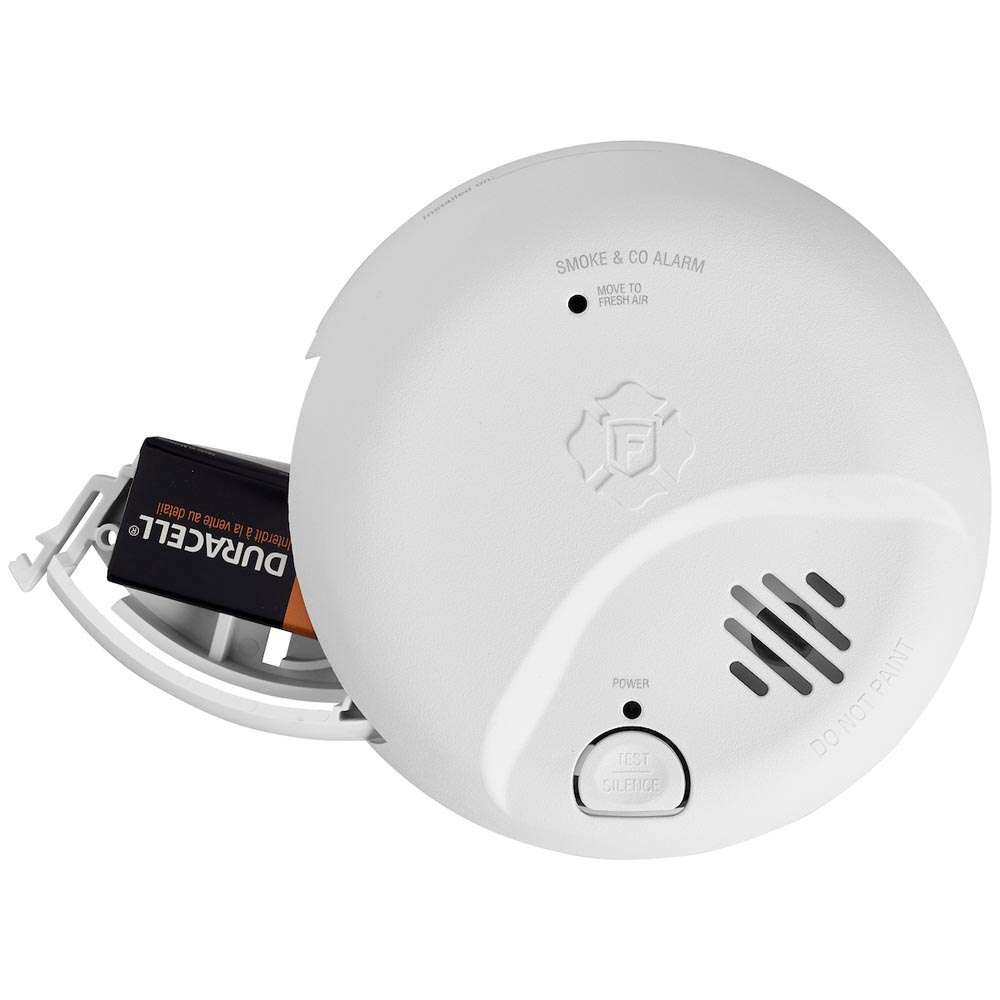
Learn why your smoke alarm is chirping, what different beep patterns may mean, and how to troubleshoot low battery, end-of-life, power, and sensor-related issues.
Learn why your carbon monoxide alarm is chirping, what different beep patterns may mean, and how to troubleshoot low battery, end-of-life, power, and sensor-related issues.
Learn why smoke alarms go off without visible smoke, what causes nuisance alarms from cooking, steam, humidity, and dust, and how to help prevent false alarms.
Learn why a smoke or carbon monoxide alarm may still chirp after a new battery is installed, including reset steps, battery fit issues, drawer problems, and end-of-life warnings.
Learn how to change a First Alert smoke alarm battery, how battery replacement differs from sealed 10-year battery models, and what to do if the alarm still chirps after replacement.
Learn how to find the manufacture date on a smoke alarm, why smoke alarms expire after 10 years, and why an alarm may need replacement even if it still seems to work.
Contact options may differ depending on the type of help you need.