


Smoke Alarm Installation and Placement
Ensure your home is protected with our First Alert smoke alarm installation guide. Learn the best placement for every room, understand NFPA recommendations, and avoid dead air zones to keep your family safe.
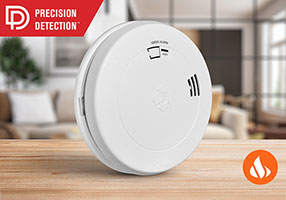
 Smoke Alarm Tips
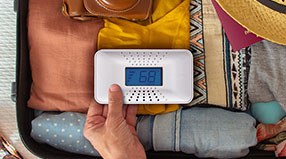
 Carbon Monoxide Alarm Tips
 Interconnected Smoke Alarm Tips
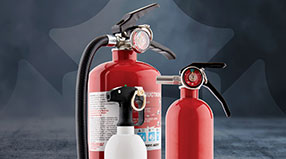
 Extinguishing Spray Tips
 Other Safety Product Tips
Ensure your home is protected with our First Alert smoke alarm installation guide. Learn the best placement for every room, understand NFPA recommendations, and avoid dead air zones to keep your family safe.
Learn where to install smoke alarms on every level and near bedrooms, plus where not to place them. Avoid “dead air” corners, vents, and ceiling fans for reliable detection.
Learn the differences between hardwired and battery smoke alarms and how to install each type. Includes wiring basics, placement tips, and when to choose each option.
Learn how to interconnect multiple smoke alarms so all units sound together. Covers hardwired interconnect, wireless options, compatibility tips, and troubleshooting.
Learn when to replace your First Alert smoke alarm, how to identify your connection type, choose the right replacement, install it safely, and dispose of old alarms responsibly.
Learn smoke alarm placement rules for apartments and rental homes, who is typically responsible for installation and upkeep, and hardwired vs battery options. Non-legal code basics included.
Learn where to install carbon monoxide alarms, how many you need, and placement tips for houses, apartments, and rentals - plus what to do when an alarm sounds.
Learn where to place carbon monoxide detectors for best protection - every level, near sleeping areas, and the right distance from appliances. CO alarms don’t need to be near the floor.
Compare hardwired, battery, and plug-in carbon monoxide alarms and follow simple installation steps for each type, plus placement tips, safety notes, and FAQs.
Learn what carbon monoxide is, where it comes from, what CO detectors detect (and don’t), whether they detect natural gas, and how to know if your home needs CO alarms.
Learn when to replace your First Alert carbon monoxide alarm, how to swap battery, plug-in, or hardwired models step-by-step, choose the right replacement, and dispose safely.
Learn CO detector placement for apartments and rental homes, who typically handles installation and battery changes, hardwired vs battery vs plug-in options, and basic code concepts (non-legal advice).
Learn how often to test smoke and CO alarms, how to test step-by-step, what to do if a test fails, how to reset First Alert alarms, and how monthly cleaning helps prevent false alarms.
Learn how often to test smoke alarms, how to test them step by step, what the test button checks, what to do if a smoke alarm fails, and common maintenance tips.
Learn how often to test carbon monoxide detectors, how to test them step by step, what the test button checks, what to do if a CO alarm fails, and helpful maintenance tips.
Learn what to do if a smoke alarm or carbon monoxide alarm fails testing, including battery checks, power checks, cleaning, reset steps, and when to replace the unit.
Learn how to reset a First Alert smoke alarm or carbon monoxide alarm step by step, including battery, plug-in, and hardwired models, plus common reasons an alarm needs a reset.
Learn how to clean a smoke alarm step by step, why dust buildup matters, how monthly vacuuming can help reduce nuisance alarms, and common cleaning mistakes to avoid.
Learn why your smoke alarm chirps, what beep patterns mean, how to prevent nuisance alarms, why alarms chirp after battery changes, and when it is time to replace an expired unit.
Learn why your smoke alarm is chirping, what different beep patterns may mean, and how to troubleshoot low battery, end-of-life, power, and sensor-related issues.
Learn why your carbon monoxide alarm is chirping, what different beep patterns may mean, and how to troubleshoot low battery, end-of-life, power, and sensor-related issues.
Learn why smoke alarms go off without visible smoke, what causes nuisance alarms from cooking, steam, humidity, and dust, and how to help prevent false alarms.
Learn why a smoke or carbon monoxide alarm may still chirp after a new battery is installed, including reset steps, battery fit issues, drawer problems, and end-of-life warnings.
Learn how to change a First Alert smoke alarm battery, how battery replacement differs from sealed 10-year battery models, and what to do if the alarm still chirps after replacement.
Learn how to find the manufacture date on a smoke alarm, why smoke alarms expire after 10 years, and why an alarm may need replacement even if it still seems to work.
Learn how to choose the right smoke, carbon monoxide, combo, or smart alarm. Compare sensor types, power options, connectivity, and key safety features.
Learn the basics of home safety, including early smoke and fire detection, carbon monoxide dangers, family fire escape plans, extinguisher use, and emergency escape ladders.
Learn why early smoke and fire detection matters, how smoke alarms provide critical warning time, and what families should know about placement, testing, and maintenance.
Learn what carbon monoxide is, where it comes from, why it is dangerous, common symptoms of CO exposure, and how carbon monoxide alarms help protect your home.
Create a family fire safety plan with a simple checklist covering escape routes, meeting places, smoke alarms, practice drills, and emergency planning for children and adults.
Learn the PASS method for using a fire extinguisher: Pull, Aim, Squeeze, and Sweep. Get step-by-step fire extinguisher tips, safety basics, and common FAQs.
Learn how emergency escape ladders work, how to test and deploy them safely, where to store them, and how they fit into a second-story fire escape plan.
Contact options may differ depending on the type of help you need.