Product Support & Resources

Featured Products

Testing Smoke Alarms

How Often to Test Your Smoke Alarms

Smoke alarms should be tested at least once a month to help make sure they are working properly. A quick monthly test can confirm that the alarm has power, the horn sounds correctly, and interconnected units respond if your system supports interconnect.

Regular testing matters because smoke alarms are safety devices you may only rely on during an emergency. A working alarm can give you valuable time to react, alert your family, and get out safely.

When You Should Test a Smoke Alarm

In addition to monthly testing, it is smart to test your smoke alarms during other important moments around the home.

  • Once a month as part of regular maintenance
  • After installing a new alarm
  • After replacing the battery
  • After a power outage on hardwired models
  • After cleaning the unit
  • After remodeling or dusty projects near the alarm
  • Before travel seasons or holidays when home activity increases

Step-by-Step: How to Test a Smoke Alarm

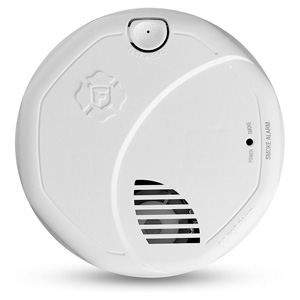
Most smoke alarms can be tested using the built-in Test/Silence button on the front or side of the unit. The exact sounds or light patterns may vary by model, but the general testing process is very similar.

  1. Tell others in the home you are about to test the alarm. The sound will be loud, and this helps prevent confusion.
  2. Stand where you can safely reach the alarm. Use a sturdy step stool if needed. Never stand on unstable furniture.
  3. Press and hold the Test button. Hold it long enough for the alarm to respond. Some models react immediately, while others take a few seconds.
  4. Listen for the alarm horn. You should hear a loud, clear test sound.
  5. Watch for indicator lights or voice prompts. Some First Alert models may flash lights or use voice alerts during testing.
  6. Check interconnected alarms. If your alarms are interconnected, other compatible alarms in the home should also sound.
  7. Release the button and let the alarm reset. The alarm should stop after the test cycle finishes.
  8. Confirm normal status returns. The unit should go back to its regular standby light pattern or normal condition.

What the Test Button Actually Checks

When you press the Test button, you are usually checking the alarm’s internal electronics, power connection, and sounder. This helps confirm the unit can produce an audible warning.

However, pressing the Test button does not fully simulate every real-world fire condition. It is still the correct and recommended routine test for everyday homeowners, but it should be paired with proper placement, cleaning, battery replacement when required, and replacement of alarms at the end of their service life.

How to Know if the Test Was Successful

A successful test usually means:

  • The alarm sounds loudly and clearly
  • The sound starts soon after pressing the button
  • Any connected alarms activate if the system is interconnected
  • The unit returns to normal after the test ends

If your smoke alarm has a voice feature, you may also hear a spoken message confirming the test or type of alarm.

What to Do if the Smoke Alarm Fails the Test

If the alarm does not sound, sounds weak, or behaves abnormally during testing, do not ignore it. Work through these common troubleshooting steps:

  1. Check the battery. If your model uses a replaceable battery, install a fresh one of the recommended type.
  2. Confirm the battery is installed correctly. Make sure polarity matches the markings inside the compartment.
  3. Check household power. For hardwired alarms, verify the circuit is on and the unit is receiving power.
  4. Make sure the alarm is fully attached to the mounting bracket. Some units will not operate properly if not seated correctly.
  5. Clean the alarm. Dust and debris around the vents can sometimes interfere with performance.
  6. Test the unit again. Press and hold the Test button after completing the steps above.

If the alarm still does not pass testing, it may need to be replaced. Also check whether the alarm has reached the end of its rated service life.

Testing Interconnected Smoke Alarms

If your home uses interconnected smoke alarms, pressing the Test button on one alarm should usually trigger the other compatible alarms in the network. This is an important feature because when one alarm detects danger, all connected alarms can alert the household.

When testing an interconnected system:

  • Start with one alarm and verify others sound
  • Walk the home and confirm remote units can be heard clearly
  • Repeat testing from different alarms over time
  • Check that compatible models are being used together where required

Helpful Testing Tips

  • Choose a memorable day each month, such as the first weekend of the month
  • Test alarms during daytime hours when everyone is awake
  • Keep a simple maintenance log for battery changes and replacements
  • Use the product manual for model-specific light patterns, voice prompts, and troubleshooting
  • Do not use real smoke, flames, or risky methods to test a household alarm unless the manufacturer specifically instructs it

Basic Smoke Alarm Maintenance Goes Along With Testing

Testing is only one part of keeping your smoke alarms reliable. Routine maintenance also helps reduce nuisance alarms and keeps the sensors area cleaner.

  • Vacuum around the alarm monthly using a soft brush attachment
  • Keep alarms free from dust and paint
  • Replace batteries as needed on applicable models
  • Replace the alarm when it reaches end-of-life based on the manufacturer’s recommendation

Common Mistakes to Avoid

  • Only testing after the alarm starts chirping
  • Assuming a power light alone means full operation
  • Forgetting to test after battery replacement
  • Ignoring weak sound output during a test
  • Leaving a removed battery-powered alarm uninstalled
  • Skipping testing on alarms in guest rooms, basements, or hallways

FAQs

How often should I test my smoke alarms?

Smoke alarms should be tested at least once a month. You should also test them after battery changes, installation, cleaning, and power outages on hardwired units.

How long do I hold the Test button?

Press and hold the Test button until the alarm sounds. Some models respond quickly, while others may take a few seconds before beginning the test cycle.

If the alarm has power, do I still need to test it?

Yes. A power indicator light does not replace a full functional test. Pressing the Test button helps confirm the alarm can sound properly and that the unit is operating as expected.

Should all interconnected smoke alarms sound during a test?

In many interconnected systems, yes. Testing one alarm should trigger the other compatible alarms in the network, helping confirm whole-home alert capability.

What should I do if my smoke alarm does not pass the test?

Check the battery, verify household power for hardwired models, make sure the alarm is mounted correctly, clean the unit, and test again. If it still fails, the alarm may need replacement.

Can I use real smoke to test my alarm?

Routine homeowner testing should usually be done with the built-in Test button. Follow your model’s manual for approved testing methods and avoid unsafe improvised testing techniques.

Final Reminder

Testing your smoke alarms every month is one of the simplest and most important home safety habits you can build. A quick press of the Test button can help confirm your alarm is ready to warn you when it matters most.

Related Products

View All Support Topics

Smoke Alarm Installation and Placement

Ensure your home is protected with our First Alert smoke alarm installation guide. Learn the best placement for every room, understand NFPA recommendations, and avoid dead air zones to keep your family safe.

Smoke Alarm Placement

Learn where to install smoke alarms on every level and near bedrooms, plus where not to place them. Avoid “dead air” corners, vents, and ceiling fans for reliable detection.

Interconnecting Smoke Alarms

Learn how to interconnect multiple smoke alarms so all units sound together. Covers hardwired interconnect, wireless options, compatibility tips, and troubleshooting.

Replacing Smoke Alarms

Learn when to replace your First Alert smoke alarm, how to identify your connection type, choose the right replacement, install it safely, and dispose of old alarms responsibly.

Carbon Monoxide Alarm Placement

Learn where to place carbon monoxide detectors for best protection - every level, near sleeping areas, and the right distance from appliances. CO alarms don’t need to be near the floor.

Carbon Monoxide Detector Basics

Learn what carbon monoxide is, where it comes from, what CO detectors detect (and don’t), whether they detect natural gas, and how to know if your home needs CO alarms.

Replacing Carbon Monoxide Alarms

Learn when to replace your First Alert carbon monoxide alarm, how to swap battery, plug-in, or hardwired models step-by-step, choose the right replacement, and dispose safely.

CO Alarms for Apartments and Rentals

Learn CO detector placement for apartments and rental homes, who typically handles installation and battery changes, hardwired vs battery vs plug-in options, and basic code concepts (non-legal advice).

Testing and Maintenance

Learn how often to test smoke and CO alarms, how to test step-by-step, what to do if a test fails, how to reset First Alert alarms, and how monthly cleaning helps prevent false alarms.
Testing Smoke Alarms

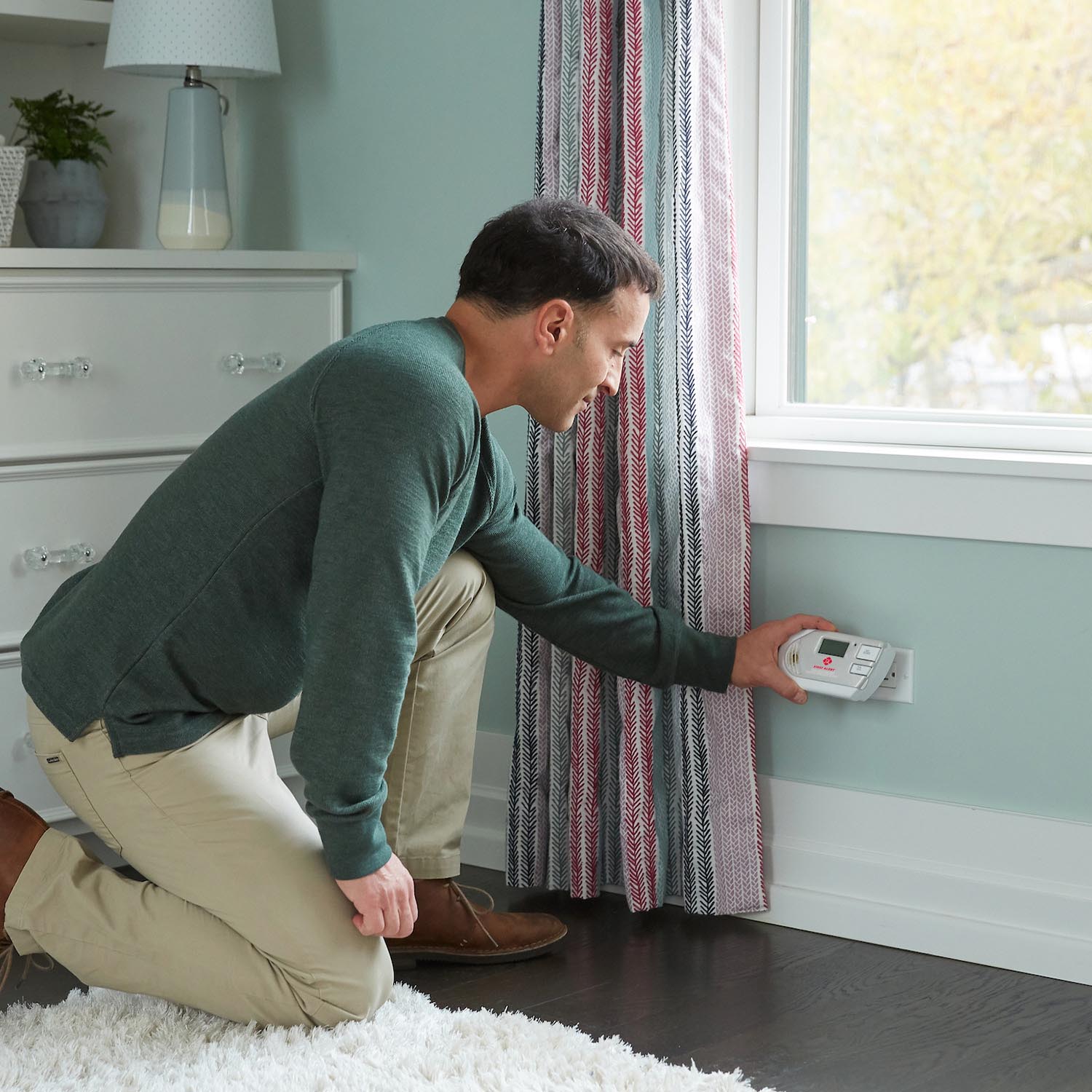
Learn how often to test smoke alarms, how to test them step by step, what the test button checks, what to do if a smoke alarm fails, and common maintenance tips.

Testing Carbon Monoxide Detectors

Learn how often to test carbon monoxide detectors, how to test them step by step, what the test button checks, what to do if a CO alarm fails, and helpful maintenance tips.

Resetting First Alert Alarms

Learn how to reset a First Alert smoke alarm or carbon monoxide alarm step by step, including battery, plug-in, and hardwired models, plus common reasons an alarm needs a reset.

Cleaning Smoke Alarms

Learn how to clean a smoke alarm step by step, why dust buildup matters, how monthly vacuuming can help reduce nuisance alarms, and common cleaning mistakes to avoid.

Troubleshooting Common Issues

Learn why your smoke alarm chirps, what beep patterns mean, how to prevent nuisance alarms, why alarms chirp after battery changes, and when it is time to replace an expired unit.

Smoke Alarm Chirping or Beeping

Learn why your smoke alarm is chirping, what different beep patterns may mean, and how to troubleshoot low battery, end-of-life, power, and sensor-related issues.

Nuisance Alarms

Learn why smoke alarms go off without visible smoke, what causes nuisance alarms from cooking, steam, humidity, and dust, and how to help prevent false alarms.

New Battery Issues

Learn why a smoke or carbon monoxide alarm may still chirp after a new battery is installed, including reset steps, battery fit issues, drawer problems, and end-of-life warnings.

Smoke Alarm Battery Replacement

Learn how to change a First Alert smoke alarm battery, how battery replacement differs from sealed 10-year battery models, and what to do if the alarm still chirps after replacement.

Smoke Alarm Expiration and Dates

Learn how to find the manufacture date on a smoke alarm, why smoke alarms expire after 10 years, and why an alarm may need replacement even if it still seems to work.

Haven't found the answer? We can help.

Contact Us

Contact options may differ depending on the type of help you need.

0 $0.00
Top