


Choose the Right Alarm
Learn how to choose the right smoke, carbon monoxide, combo, or smart alarm. Compare sensor types, power options, connectivity, and key safety features.
Related Topics:
 Smoke Alarm Tips
 Carbon Monoxide Alarm Tips
 Interconnected Smoke Alarm Tips
 Extinguishing Spray Tips
 Other Safety Product Tips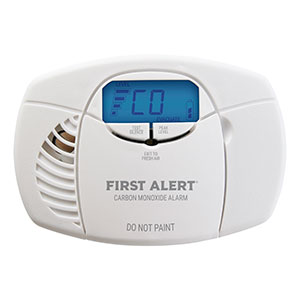
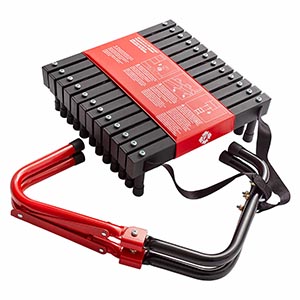
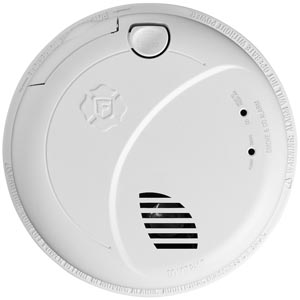
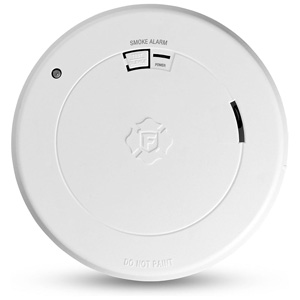

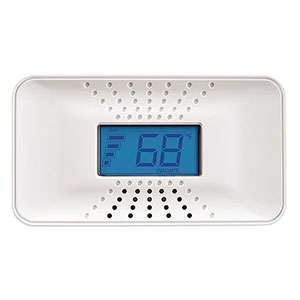
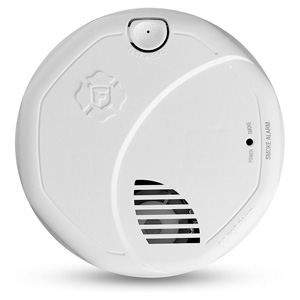
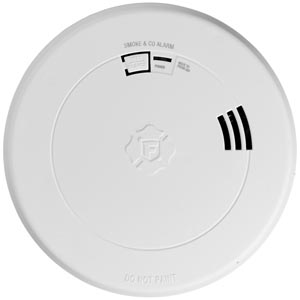
Choosing the right First Alert smoke or carbon monoxide alarm for your home is one of the most important steps you can take for everyday safety. With so many options available, it helps to understand the differences between smoke alarm sensor types, power sources, combo alarms, and smart connected models before you buy. This guide brings together the key topics customers ask about most often so you can compare features, understand how alarms respond to different hazards, and select the right solution for your space.
Whether you are replacing an older smoke alarm, upgrading to interconnected protection, or adding coverage in new areas of the home, the best choice often depends on your layout, power availability, and the features you value most. Some households want a simple battery-powered alarm, while others prefer the convenience of a 10-year sealed battery unit, a hardwired interconnected system, or a smart alarm that sends mobile alerts.
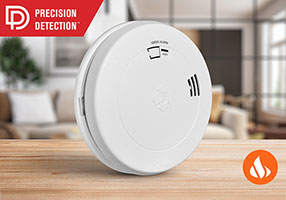
One of the first choices most customers make is selecting the right smoke alarm sensing technology. The three most common categories are photoelectric, ionization, and dual-sensor alarms.
Because real-world fires can develop in different ways, many homeowners prefer the added confidence of dual-sensor models or a well-planned mix of alarm types throughout the home.
Not all fires start the same way. Some ignite quickly and spread with open flames, while others build slowly over time, creating smoke before flames are obvious. Understanding this difference helps explain why alarm type matters.
These fires can spread rapidly, produce high heat, and often involve materials such as paper, grease, or flammable liquids. They may generate smaller combustion particles and require a fast response.
These fires may begin in upholstery, bedding, furniture, or wiring and can produce heavy smoke for a longer period before open flames appear. Early warning during this phase is especially important when people are sleeping.
This is one reason many households look for broader coverage instead of relying on only one alarm style everywhere.
Dual-sensor alarms are popular because they combine photoelectric and ionization technologies into one unit. For many homeowners, that makes them a strong all-around option when they want a simple buying decision and broader smoke detection in one alarm.
Another effective approach is using a mix of alarm types throughout the home, especially in larger homes or multi-level layouts. Either way, the goal is the same: create more complete coverage for different fire conditions.
Power source is another major part of choosing the right alarm. Some homes need an easy battery-operated replacement, while others are set up for hardwired interconnected alarms. Convenience, maintenance, and local code requirements can all influence the decision.
| Power Option | Best For | Key Advantage |
|---|---|---|
| Replaceable Battery | Quick installs and easy replacements | No wiring needed |
| 10-Year Sealed Battery | Low-maintenance protection | No annual battery changes |
| Hardwired with Battery Backup | Homes with existing alarm wiring | Continuous power plus backup battery |
| Plug-In CO or Combo Models | Specific rooms where outlet access is convenient | Simple setup and easy relocation in some cases |
For many customers, 10-year sealed battery alarms offer the easiest ownership experience. They are designed to provide continuous power for the life of the alarm without requiring routine battery replacements. This makes them appealing for busy households, rental properties, and rooms where battery access is inconvenient.
Traditional replaceable battery models still offer flexibility and are often a practical option for straightforward replacement projects, but they do require more ongoing maintenance. If convenience is your top priority, sealed battery models are often the easiest "set it and forget it" solution.
Another common question is whether to choose a combination smoke and carbon monoxide alarm or install separate units. The right answer depends on the room, the hazard, and how you want to organize protection in the home.
Many homes use a mix of both approaches. What matters most is placing the right protection where it is needed and making sure alarms are installed, maintained, and replaced on schedule.
Smart alarms add another level of awareness by combining life safety detection with connected features such as mobile alerts, self-testing, voice warnings, and smart home integration. These models can be especially attractive for larger homes, families who travel, or homeowners who want more visibility into alarm status.
Connected alarms can provide added convenience, but setup may vary by model. Some products use a dedicated app experience, while others are designed to work with broader smart home environments. Before buying, it is always helpful to confirm whether the model supports the exact connected features you want, such as app notifications, voice alerts, or integration with compatible devices in your home.
Beyond smoke sensing and power type, many customers compare alarms based on convenience and everyday usability. A few added features can make a big difference depending on where the alarm will be installed and who will be using it.
Helpful for clearer notifications and identifying the type of danger on supported models.
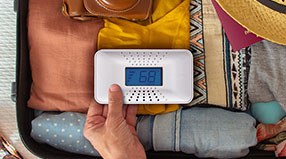
Useful on carbon monoxide and combo models that show readings, peak levels, or status information.
Allows one triggered alarm to help sound others in the home for broader awareness.
If you are not sure where to start, focus on a few practical questions:
Answering those questions first makes it much easier to narrow down the right model and features.
Many customers prefer dual-sensor smoke alarms because they combine photoelectric and ionization technologies in one unit. They are a strong all-around choice for broader smoke detection coverage.
They are often more convenient because the battery is designed to last for the life of the alarm, reducing maintenance and eliminating routine battery replacement. For many homeowners, that makes them an easier long-term option.
A combo alarm can be a convenient all-in-one solution where both protections are needed in the same area. Separate units may be better when you want more flexibility in placement or are adding one type of protection to an existing setup.
Popular features include voice alerts, digital displays, interconnectivity, smart mobile notifications, and 10-year sealed battery convenience. The best choice depends on your home layout and how much connectivity you want.
Explore related support articles and resources for this topic.
Learn how to choose the right smoke, carbon monoxide, combo, or smart alarm. Compare sensor types, power options, connectivity, and key safety features.
Contact options may differ depending on the type of help you need.