


Carbon Monoxide Alarm Installation and Placement
Learn where to install carbon monoxide alarms, how many you need, and placement tips for houses, apartments, and rentals - plus what to do when an alarm sounds.
Related Topics:
 Smoke Alarm Tips
 Carbon Monoxide Alarm Tips
 Interconnected Smoke Alarm Tips
 Extinguishing Spray Tips
 Other Safety Product Tips
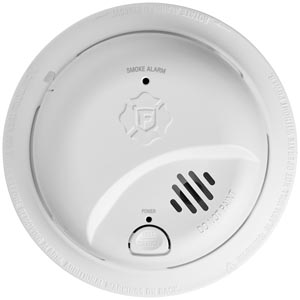

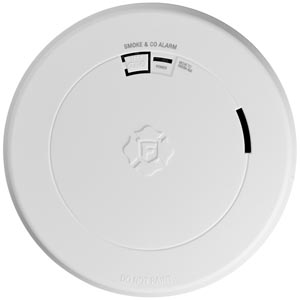
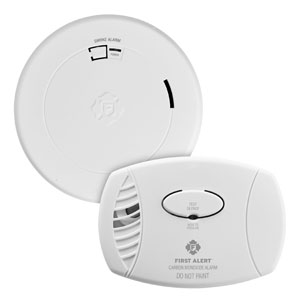
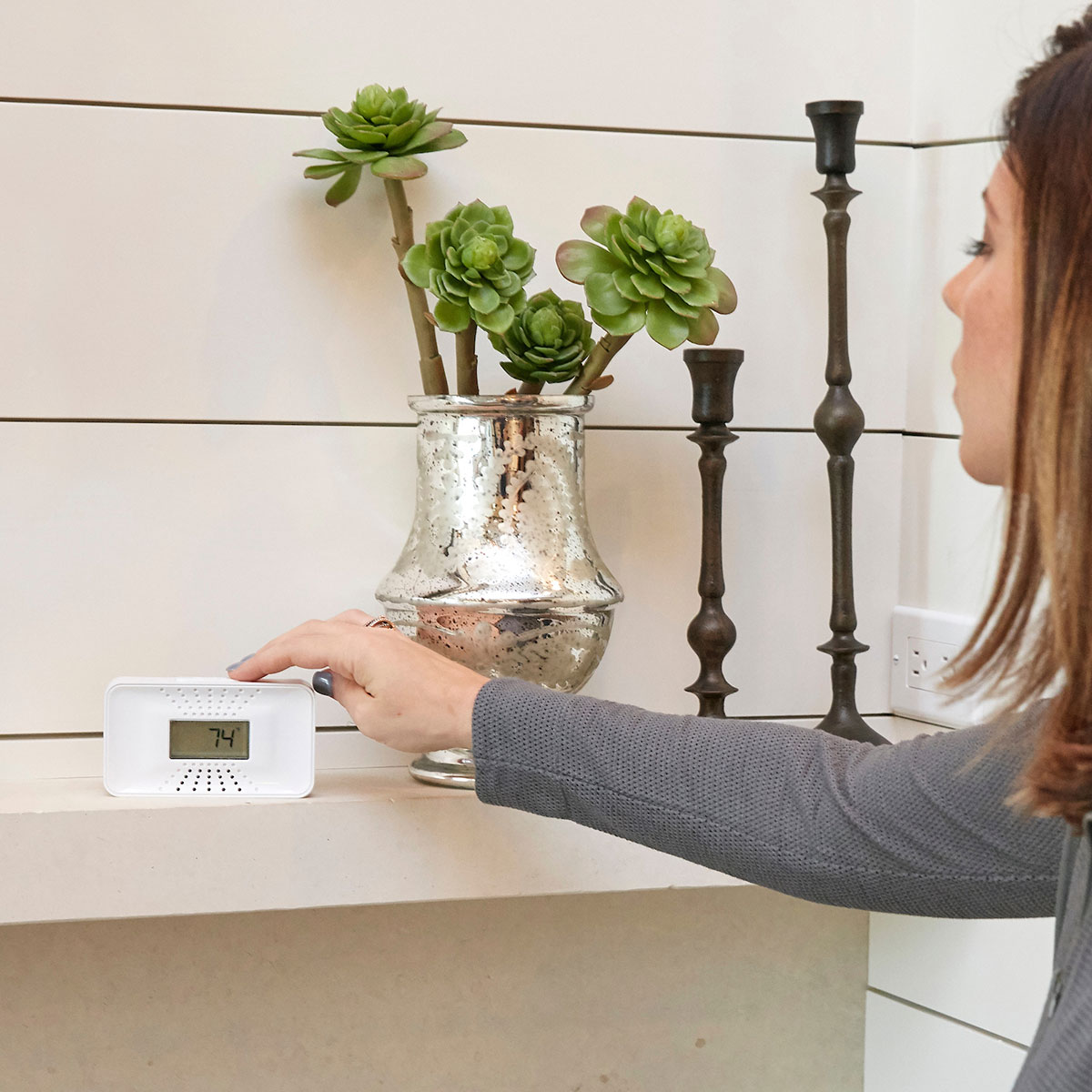
Carbon monoxide (CO) is an invisible, odorless gas that can be dangerous even at low levels over time. Because you can’t see or smell it, the only reliable way to know it’s present is to use a carbon monoxide alarm. This page explains what CO is, where it comes from, what a CO detector actually detects, and how to decide if your home should have CO alarms.
Carbon monoxide is produced when fuels don’t burn completely. It can build up indoors if exhaust can’t escape properly or if equipment is damaged, blocked, or used incorrectly. CO can spread through a home and reach sleeping areas, which is why alarms are so important.
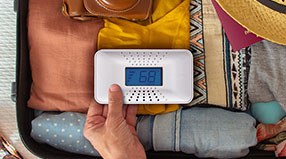
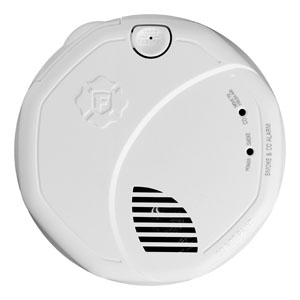
A carbon monoxide alarm monitors the air for elevated CO levels. If the alarm senses a dangerous concentration based on its internal safety thresholds, it sounds an alert so you can take action quickly.
CO can be produced by common household sources that burn fuel. Problems usually occur when exhaust is blocked, equipment is malfunctioning, or a device is used in a way it wasn’t intended.
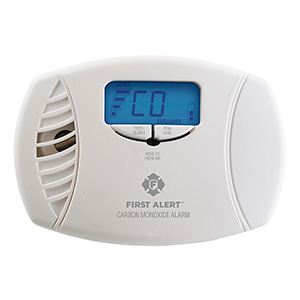
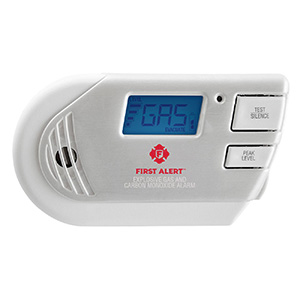
In most cases, no. A standard carbon monoxide alarm is designed to detect carbon monoxide gas, not natural gas (methane) or propane. Natural gas detectors use different sensor technology and are made specifically to detect fuel-gas leaks.
If you are concerned about both risks, look for the right alarm type for each hazard, or a combination solution only if it specifically lists the gases it detects.
Many homes benefit from CO alarms, especially if there is any chance CO could be produced or enter the home. Even all-electric homes may be exposed if they share walls with other units, have attached garages nearby, or have fireplaces or other combustion sources.
If you suspect CO exposure, treat it seriously. Symptoms can vary, and people may experience them differently.
Important: If your CO alarm sounds or anyone feels symptoms, move to fresh air and get help immediately.
It detects elevated carbon monoxide levels in the air over time. If the level becomes dangerous based on the alarm’s safety thresholds, it sounds an audible alert.
Usually no. Standard CO alarms are designed to detect carbon monoxide, not natural gas (methane) or propane. For fuel-gas leaks, use a detector that specifically lists natural gas or propane detection.
CO can come from fuel-burning appliances (furnace, water heater, fireplace), car exhaust from attached garages, or equipment like generators or grills used improperly. CO risks increase if exhaust is blocked or equipment malfunctions.
Many people still choose CO alarms, especially in multi-unit buildings or if there’s an attached garage nearby. CO can enter from adjacent spaces even if you don’t have fuel-burning appliances in your unit.
Move everyone to fresh air immediately and call emergency services from outside. Do not re-enter the home until professionals say it’s safe.
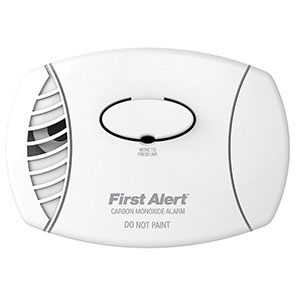
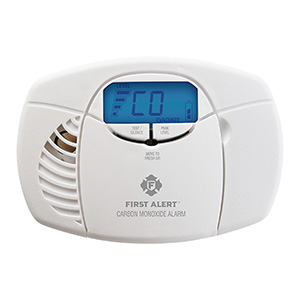
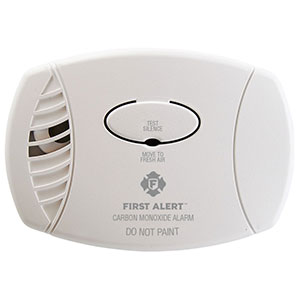
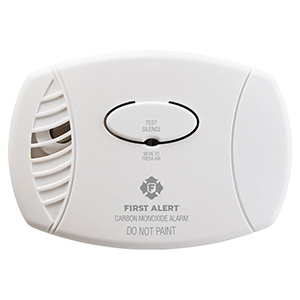
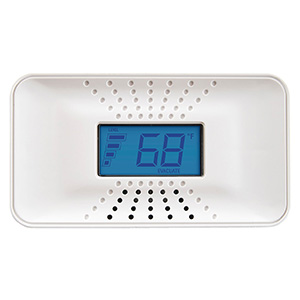
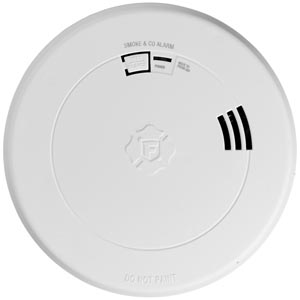
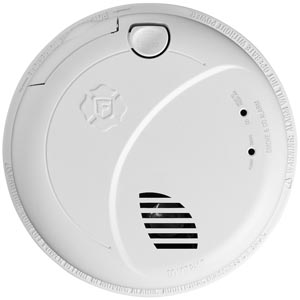
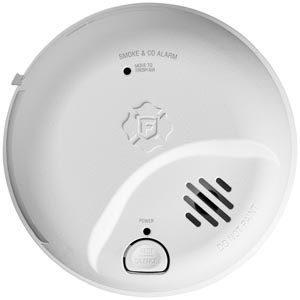
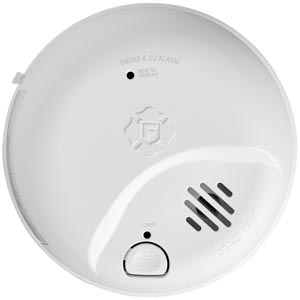
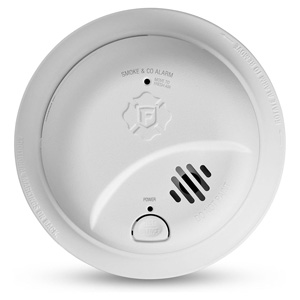
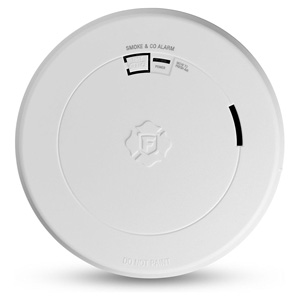
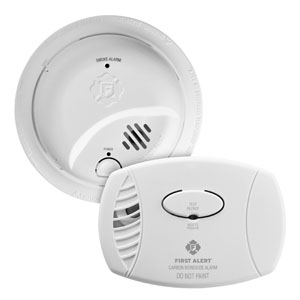

Explore related support articles and resources for this topic.
Learn where to install carbon monoxide alarms, how many you need, and placement tips for houses, apartments, and rentals - plus what to do when an alarm sounds.
Contact options may differ depending on the type of help you need.