
Product Support & Resources

Featured Products

New Battery Issues

If your alarm is still chirping after you installed a new battery, you are not alone. This is one of the most common questions customers have with smoke alarms and carbon monoxide alarms. In many cases, the new battery is not actually the problem. The alarm may need to be reset, the battery may not be seated correctly, the drawer may not be fully closed, or the unit may be warning that it has reached the end of its service life.

This guide explains the most common reasons an alarm keeps chirping after a battery change and what steps you can take to troubleshoot the issue.

Why Is My Alarm Still Chirping With a New Battery?

A fresh battery does not always stop the chirping right away. Alarms can continue to chirp for several reasons, including:

  • The battery is installed incorrectly: Even a new battery will not work if it is reversed or not making proper contact.
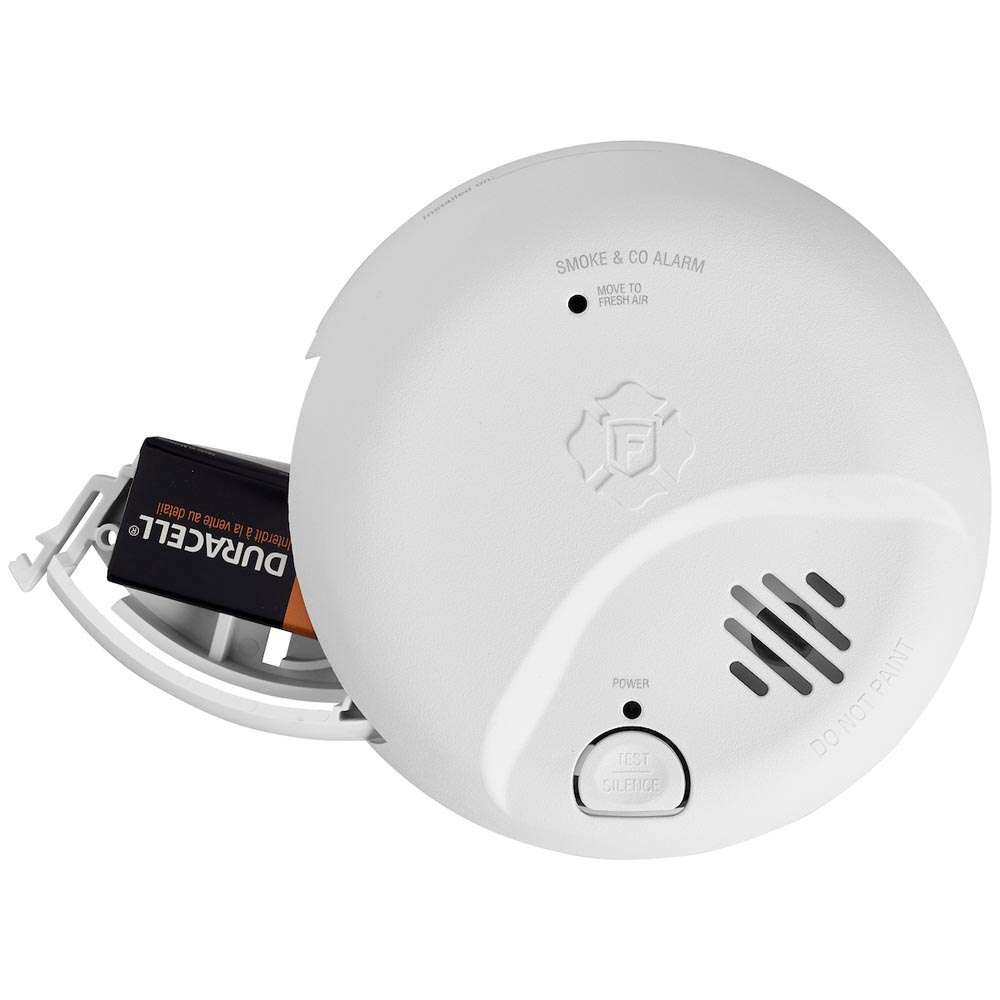
  • The battery drawer or compartment is not fully closed: Many alarms will keep chirping unless the drawer is shut completely.
  • The alarm needs to be reset: Residual electrical charge inside the unit can sometimes keep the chirp active after battery replacement.
  • The wrong battery type is being used: Some alarms are designed for a specific size or chemistry.
  • The alarm is hardwired and has another power issue: On hardwired units, the backup battery is only one part of the system.
  • The unit has reached end of life: If the alarm is expired, a new battery will not solve the warning.
  • The sensor or internal electronics may have a fault: In some cases, the alarm needs to be replaced.

Check the Battery First

Before moving on to deeper troubleshooting, confirm that the battery itself is installed properly.

  • Make sure the positive and negative terminals match the markings inside the alarm.
  • Confirm the battery is fully seated and not loose.
  • Use the battery type recommended for your specific model.
  • Do not mix old and new batteries.
  • Check the battery expiration date if applicable.

A battery that looks installed correctly but is not fully aligned can still cause the alarm to chirp.

Battery Drawer and Compartment Problems

One of the most overlooked causes of continued chirping is a battery drawer or compartment that is not fully closed. Many alarms have a safety mechanism that prevents proper operation if the battery door is open, misaligned, or not latched all the way.

Look for these common issues:

  • The drawer is slightly open
  • The battery is blocking full closure
  • The battery is not seated flat
  • The compartment latch is misaligned
  • The alarm was not reattached correctly after battery replacement

If your alarm was removed from the mounting bracket during the battery change, make sure it is fully reinstalled.

Why a Reset May Be Needed

Some alarms store residual electrical charge even after the old battery is removed. That means the chirping may continue until the unit is reset. This is especially common after a low-battery warning has been active for a while.

A general reset process often includes:

  1. Remove the alarm from its mounting bracket if needed.
  2. Remove the battery.
  3. If the unit is hardwired and the model allows it, disconnect the power connector.
  4. Press and hold the test button for several seconds to help drain any remaining charge.
  5. Wait briefly if needed.
  6. Reconnect AC power if applicable.
  7. Reinstall the battery correctly.
  8. Close the battery drawer fully.
  9. Test the alarm.

Always follow the instructions for your specific model, especially for hardwired alarms.

Wrong Battery Type or Battery Quality

Not every battery is a good match for every alarm. Even if the size appears correct, the recommended battery chemistry and brand guidance in the product manual matter.

  • Use only the recommended battery size
  • Follow the manufacturer's battery type guidance
  • Avoid damaged or leaking batteries
  • Avoid partially used batteries when replacing a low battery warning

If the chirping started immediately after installation, double-check that the replacement battery matches the alarm requirements.

Hardwired Alarms Can Still Chirp

If your alarm is hardwired, it may still chirp even after a new backup battery is installed. That is because hardwired alarms rely on both household AC power and backup battery power.

Possible hardwired causes include:

  • Loose power connector at the back of the alarm
  • Temporary power interruption
  • Tripped circuit or power loss to the alarm circuit
  • A problem with the backup battery installation
  • End-of-life warning from the alarm itself

When troubleshooting a hardwired alarm, check both the battery and the household power connection.

Could the Alarm Be Expired?

Yes. This is one of the most common reasons an alarm keeps chirping even after a fresh battery is installed. Smoke alarms and carbon monoxide alarms have a limited service life. Once they reach end of life, the alarm may chirp to tell you it is time for replacement.

A new battery will not stop an end-of-life warning on an expired unit.

How to Check the Age of the Alarm

Most alarms have a manufacture date printed on the back or side label. In many cases, this is the date used to estimate replacement timing.

  • Remove the unit from the bracket if necessary
  • Look for the printed manufacture date
  • Check the recommended service life for that type of alarm
  • If the unit is near or past that age, replacement is usually the best option

If the label is faded or missing, and the age cannot be confirmed, replacing the unit may be the safest choice.

Dust, Dirt, and Sensor Issues

Dust and debris can also cause ongoing chirping or irregular behavior. If the alarm has been exposed to construction dust, grease, insects, or long-term buildup, the sensing chamber may be affected.

Basic cleaning may help:

  • Use a soft brush attachment on a vacuum around the alarm openings
  • Follow the cleaning instructions for your model
  • Do not spray cleaners, solvents, or paint on the alarm
  • Test the unit after cleaning if recommended

If the alarm still chirps after cleaning, reset steps, and battery verification, replacement may be needed.

Smoke Alarm vs. Carbon Monoxide Alarm Battery Issues

The same basic troubleshooting applies to both smoke alarms and carbon monoxide alarms, but carbon monoxide alarms may have shorter service lives depending on the sensor type. That means a CO alarm may continue chirping with a new battery simply because the sensor has reached the end of its usable life.

If you are troubleshooting a carbon monoxide alarm, be extra careful to distinguish between a maintenance chirp and a full emergency alarm pattern.

Sealed Battery Units vs. Replaceable Battery Units

It is also important to know what kind of alarm you have.

  • Replaceable-battery alarms: These use removable batteries and may chirp if the battery is low, installed incorrectly, or if the unit is expired.
  • Hardwired alarms with battery backup: These can chirp because of either battery or AC power issues.
  • Sealed 10-year battery alarms: These do not use replaceable batteries. If one of these units is chirping due to end of life, the entire alarm usually needs to be replaced.

If your alarm has a sealed battery, installing a new removable battery is not part of normal maintenance because the battery is built into the unit.

Quick Troubleshooting Checklist

  • Make sure the battery is the correct type
  • Confirm the battery is installed in the correct direction
  • Check that the battery drawer is fully closed
  • Reset the alarm to clear stored charge
  • Inspect hardwired power if applicable
  • Clean the alarm gently
  • Check the manufacture date
  • Replace the alarm if it has reached end of life

When to Replace the Alarm

Troubleshooting can solve many battery-related chirping issues, but replacement is often the better solution when:

  • The alarm is near or past its service life
  • The chirping continues after proper battery installation and reset
  • The unit shows signs of wear, corrosion, or damage
  • The alarm has recurring faults or repeated nuisance behavior
  • The age of the alarm is unknown

Frequently Asked Questions

Why is my alarm still chirping after I put in a new battery?

The battery may be installed incorrectly, the battery drawer may not be fully closed, the alarm may need a reset, or the unit may have reached end of life and need replacement.

Can a new battery still cause chirping?

Yes. Even a fresh battery will not solve the problem if it is the wrong type, installed incorrectly, or if the alarm is warning about something other than low battery.

Do I need to reset my alarm after changing the battery?

Sometimes, yes. Some alarms keep chirping until stored electrical charge is cleared and the unit is properly reset after battery replacement.

Why is my hardwired alarm still chirping with a new battery?

Hardwired alarms can chirp بسبب backup battery issues, AC power interruptions, loose connections, or end-of-life warnings. The battery is only one part of the system.

Will a new battery stop an expired alarm from chirping?

No. If the alarm has reached end of life, replacing the battery usually will not stop the chirping. The full unit typically needs to be replaced.

View All Support Topics

Smoke Alarm Installation and Placement

Ensure your home is protected with our First Alert smoke alarm installation guide. Learn the best placement for every room, understand NFPA recommendations, and avoid dead air zones to keep your family safe.

Smoke Alarm Placement

Learn where to install smoke alarms on every level and near bedrooms, plus where not to place them. Avoid “dead air” corners, vents, and ceiling fans for reliable detection.

Interconnecting Smoke Alarms

Learn how to interconnect multiple smoke alarms so all units sound together. Covers hardwired interconnect, wireless options, compatibility tips, and troubleshooting.

Replacing Smoke Alarms

Learn when to replace your First Alert smoke alarm, how to identify your connection type, choose the right replacement, install it safely, and dispose of old alarms responsibly.

Carbon Monoxide Alarm Placement

Learn where to place carbon monoxide detectors for best protection - every level, near sleeping areas, and the right distance from appliances. CO alarms don’t need to be near the floor.

Carbon Monoxide Detector Basics

Learn what carbon monoxide is, where it comes from, what CO detectors detect (and don’t), whether they detect natural gas, and how to know if your home needs CO alarms.

Replacing Carbon Monoxide Alarms

Learn when to replace your First Alert carbon monoxide alarm, how to swap battery, plug-in, or hardwired models step-by-step, choose the right replacement, and dispose safely.

CO Alarms for Apartments and Rentals

Learn CO detector placement for apartments and rental homes, who typically handles installation and battery changes, hardwired vs battery vs plug-in options, and basic code concepts (non-legal advice).

Testing and Maintenance

Learn how often to test smoke and CO alarms, how to test step-by-step, what to do if a test fails, how to reset First Alert alarms, and how monthly cleaning helps prevent false alarms.

Testing Smoke Alarms

Learn how often to test smoke alarms, how to test them step by step, what the test button checks, what to do if a smoke alarm fails, and common maintenance tips.

Testing Carbon Monoxide Detectors

Learn how often to test carbon monoxide detectors, how to test them step by step, what the test button checks, what to do if a CO alarm fails, and helpful maintenance tips.

Resetting First Alert Alarms

Learn how to reset a First Alert smoke alarm or carbon monoxide alarm step by step, including battery, plug-in, and hardwired models, plus common reasons an alarm needs a reset.

Cleaning Smoke Alarms

Learn how to clean a smoke alarm step by step, why dust buildup matters, how monthly vacuuming can help reduce nuisance alarms, and common cleaning mistakes to avoid.

Troubleshooting Common Issues

Learn why your smoke alarm chirps, what beep patterns mean, how to prevent nuisance alarms, why alarms chirp after battery changes, and when it is time to replace an expired unit.
Smoke Alarm Chirping or Beeping

Learn why your smoke alarm is chirping, what different beep patterns may mean, and how to troubleshoot low battery, end-of-life, power, and sensor-related issues.

Nuisance Alarms

Learn why smoke alarms go off without visible smoke, what causes nuisance alarms from cooking, steam, humidity, and dust, and how to help prevent false alarms.

New Battery Issues

Learn why a smoke or carbon monoxide alarm may still chirp after a new battery is installed, including reset steps, battery fit issues, drawer problems, and end-of-life warnings.

Smoke Alarm Battery Replacement

Learn how to change a First Alert smoke alarm battery, how battery replacement differs from sealed 10-year battery models, and what to do if the alarm still chirps after replacement.

Smoke Alarm Expiration and Dates

Learn how to find the manufacture date on a smoke alarm, why smoke alarms expire after 10 years, and why an alarm may need replacement even if it still seems to work.

Haven't found the answer? We can help.

Contact Us

Contact options may differ depending on the type of help you need.

0 $0.00
Top