


Troubleshooting Common Issues
Learn why your smoke alarm chirps, what beep patterns mean, how to prevent nuisance alarms, why alarms chirp after battery changes, and when it is time to replace an expired unit.
Related Topics:
 Smoke Alarm Tips
 Carbon Monoxide Alarm Tips
 Interconnected Smoke Alarm Tips
 Extinguishing Spray Tips
 Other Safety Product Tips
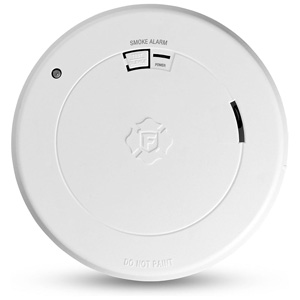
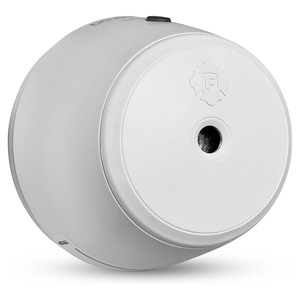
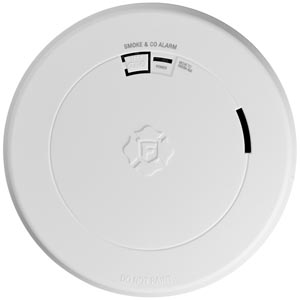
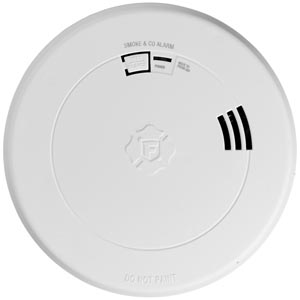
If your smoke alarm goes off when there is no fire or no visible smoke, you may be dealing with a nuisance alarm. This is a common issue in homes, especially near kitchens, bathrooms, laundry areas, and rooms with poor airflow or excess dust. In many cases, the alarm is still working correctly. It is simply reacting to particles, moisture, or environmental conditions that can affect the sensor.
This guide explains the most common causes of nuisance alarms, why they happen, and what you can do to help prevent them while still maintaining proper smoke alarm protection throughout your home.
A nuisance alarm is when a smoke alarm sounds even though there is no actual fire emergency. That does not always mean the alarm is defective. Smoke alarms are designed to detect particles in the air, and some everyday household conditions can look similar to smoke from the alarm's point of view.
Common causes include cooking particles, steam, high humidity, dust, insects, and airflow patterns that push particles directly into the sensing chamber.
Even if you do not see smoke, there may still be tiny airborne particles or moisture reaching the alarm. These are some of the most common causes:
The kitchen is one of the most common places for nuisance alarms. Even normal cooking can create enough airborne particles to activate a nearby smoke alarm.
Common kitchen triggers include:
If your smoke alarm goes off often while cooking, the issue may be placement, ventilation, or a need for cleaning rather than a defective alarm.
Steam from showers can sometimes reach a nearby smoke alarm and trigger it, especially in smaller homes, apartments, hallways, or areas with limited ventilation. Even if steam looks harmless, it can still create conditions that affect the sensor.
This is more likely when:
High humidity can contribute to nuisance alarms even when there is no shower, cooking smoke, or obvious source of steam nearby. Moisture in the air can combine with dust or other particles and make the alarm more likely to react.
Humidity-related issues may be more common in:
Dust buildup is another major cause of nuisance alarms. Over time, dust can collect in and around the sensing chamber. This is especially common in homes with pets, ongoing construction, forced-air heating, or infrequent alarm cleaning.
Dust-related alarms may happen more often after:
If the alarm has not been cleaned in a while, that is a good place to start.
There are several practical ways to reduce nuisance alarms without reducing safety.
One of the best ways to reduce nuisance alarms is to make sure the alarm is installed in an appropriate location. Even a good alarm can become frustrating if it is mounted too close to a kitchen, bathroom, or strong air source.
In general, alarms should not be installed where normal household conditions regularly send steam, cooking particles, or drafts directly into the sensor. If one location causes frequent nuisance alarms, another properly protected location nearby may perform better.
Dust, moisture, grease, and debris may not destroy the alarm immediately, but they can affect sensor performance over time. Contaminated alarms are more likely to nuisance alarm, chirp unexpectedly, or become less reliable. That is why regular maintenance and timely replacement matter.
If the unit continues to sound unnecessarily after cleaning and troubleshooting, and especially if it is older, replacement may be the better long-term solution.
If your smoke alarm sounds and you are confident there is no fire, take a moment to identify the likely trigger.
Routine cleaning can help reduce false or nuisance alarms caused by dust and debris.
Sometimes nuisance alarms are a sign that the unit is old, contaminated, or no longer performing as it should. Replacement may be the best option when:
Cooking can release tiny airborne particles that reach the alarm sensor, especially if the unit is installed too close to the kitchen or if ventilation is limited.
Yes. Steam can affect a nearby smoke alarm, particularly if the unit is installed close to a bathroom and the area does not have enough ventilation.
Yes. Dust, debris, and even insects can build up inside or around the sensing chamber and contribute to nuisance alarms or other unwanted behavior.
Improve ventilation, clean the alarm regularly, review placement near kitchens and bathrooms, avoid drafts from vents or fans, and replace the unit if it is old or continues to nuisance alarm.
Not always. Many nuisance alarms are caused by placement, steam, cooking, dust, or airflow. However, an older alarm or one that keeps sounding after cleaning and troubleshooting may need replacement.
Explore related support articles and resources for this topic.
Learn why your smoke alarm chirps, what beep patterns mean, how to prevent nuisance alarms, why alarms chirp after battery changes, and when it is time to replace an expired unit.
Contact options may differ depending on the type of help you need.