Product Support & Resources

Featured Products

Fire Safety Plan Checklist

A family fire safety plan helps everyone in the home know what to do if a smoke alarm sounds or a fire starts. In an emergency, people may only have a short amount of time to react, so it is important to make decisions before there is danger. A written plan, clear escape routes, and regular practice can help turn confusion into action.

This guide walks through a practical fire safety plan checklist for families, including smoke alarm readiness, exit planning, family meeting spots, and practice drills. Whether you live in a house, townhouse, condo, or apartment, having a fire escape plan is one of the most important steps you can take to improve home safety.

Why Every Family Needs a Fire Safety Plan

Fires can spread quickly, and smoke can make it harder to see, breathe, and move through a home. A family fire safety plan helps make sure everyone understands how to get out quickly and where to go once outside. Planning ahead is especially important for households with children, older adults, or anyone who may need extra assistance during an emergency.

  • A fire safety plan helps reduce panic and confusion.
  • Everyone learns the fastest way to leave the home.
  • Children can practice what to do when they hear an alarm.
  • Families can prepare for blocked exits or unexpected obstacles.
  • A designated meeting place helps account for everyone safely.

Family Fire Safety Checklist

Use this checklist to build or review your household fire safety plan.

1. Make Sure Smoke Alarms Are Installed and Working

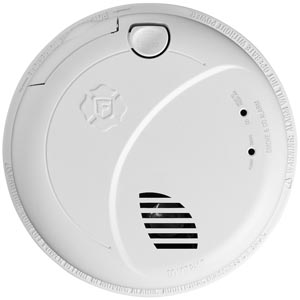
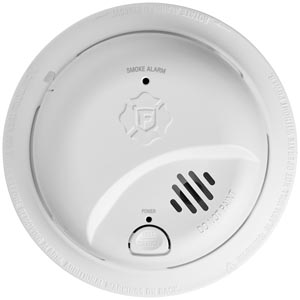
Smoke alarms are a key part of every home fire plan because they provide the warning signal that tells everyone to act. Make sure alarms are installed in important locations and maintained according to the manufacturer instructions.

  • Install smoke alarms inside every bedroom.
  • Install smoke alarms outside each sleeping area.
  • Install smoke alarms on every level of the home, including the basement.
  • Test alarms regularly.
  • Replace batteries when needed in applicable models.
  • Replace alarms when they reach the end of their service life.

2. Identify Two Ways Out of Each Sleeping Area

Each room should have a primary exit and, if possible, a secondary way out. In many cases, this could mean a door and a window. Families should know how to use both options in case one path is blocked by smoke or fire.

  • Walk through each bedroom and identify the main exit.
  • Check that windows can be opened if needed.
  • Remove clutter that could block a quick escape.
  • Make sure doors and windows are easy to unlock.

3. Choose an Outdoor Meeting Place

Pick a safe meeting place outside the home where everyone will gather after escaping. This should be far enough away from the house to stay safe, but easy for all family members to remember.

  • A mailbox
  • A tree near the sidewalk
  • A neighbor's front walkway
  • A light pole or another visible landmark

Once outside, everyone should go straight to the meeting place and stay there.

4. Practice the Plan with the Whole Family

A fire safety plan is most effective when everyone has practiced it. Children should know what smoke alarms sound like and understand that the sound means it is time to leave immediately. Practice helps make the plan feel more familiar and easier to follow during a real emergency.

  • Walk through both exit routes from each bedroom.
  • Practice getting to the outdoor meeting place.
  • Review how to stay low if smoke is present.
  • Practice the plan at different times, including nighttime drills when appropriate.

5. Plan for Children, Older Adults, and Pets

Some household members may need extra help during an emergency. Your fire safety plan should identify who may need assistance and who is responsible for helping them.

  • Assign an adult to help younger children.
  • Plan for older adults or anyone with mobility concerns.
  • Keep cribs, beds, or assistive devices in mind when planning routes.
  • Include pets in your planning, but never delay escape to search for a pet that cannot be found immediately.

6. Teach Everyone What To Do When an Alarm Sounds

Every member of the household should know that when a smoke alarm sounds, they should leave the home immediately. The goal is to get out first, not investigate the cause too long or gather belongings.

  1. Leave the home immediately.
  2. Use the safest clear exit.
  3. Stay low if smoke is present.
  4. Go directly to the outdoor meeting place.
  5. Call emergency services once outside.
  6. Never go back inside the home.

7. Keep Escape Routes Clear

Escape routes should be easy to use at all times. Hallways, doors, and windows should not be blocked by storage, furniture, or decorations that could slow someone down in an emergency.

  • Keep hallways clear.
  • Do not block doors with furniture.
  • Make sure windows open as expected.
  • Store keys or unlocking tools where they are easy to access if needed.

8. Review and Update the Plan Regularly

Family needs change over time. Moving furniture, remodeling rooms, welcoming a new child, or caring for an aging family member can all affect your fire safety plan. Review it regularly and make updates whenever the home layout or household needs change.

Simple Family Fire Drill Tips

Practice makes your plan stronger. Fire drills do not need to be complicated, but they should help everyone build confidence and familiarity.

  • Practice at least twice a year.
  • Run through both daytime and nighttime scenarios.
  • Make sure children can recognize the alarm sound.
  • Time the drill to encourage quick action without creating fear.
  • Review what went well and what should improve after each drill.

Helpful Fire Safety Reminders for Families

  • Do not spend time collecting valuables during an escape.
  • Do not open a door if it feels hot.
  • Stay low under smoke whenever possible.
  • Once outside, stay outside.
  • Call emergency services from a safe location.

How Smoke Alarms Support Your Fire Plan

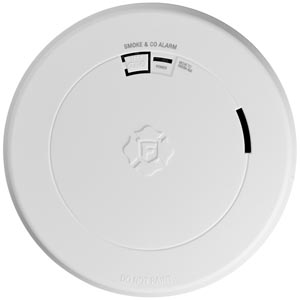
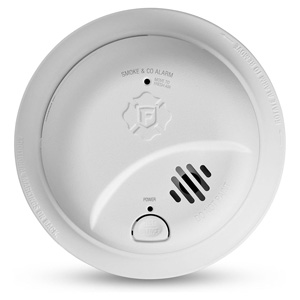
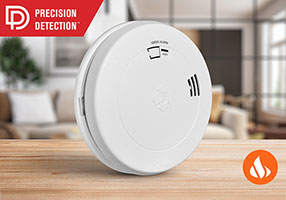
Smoke alarms are the starting point for action. A family fire safety plan only works if everyone gets the warning in time. Properly installed and maintained smoke alarms help alert the household quickly so the escape plan can begin right away.

For larger homes, interconnected smoke alarms may provide added protection by allowing all compatible alarms to sound when one detects smoke. This can be especially helpful when a fire starts far from the bedrooms or on another level of the home.

Build Confidence Before an Emergency Happens

A family fire safety plan is not just a checklist. It is a practical way to help protect the people in your home. When everyone knows the exits, understands the alarm, and has practiced the plan, your household is better prepared to respond quickly and safely.

Take time to review your plan, test your alarms, and practice together. Small preparation steps today can make a major difference during an emergency.

Frequently Asked Questions

How often should families practice a fire safety plan?

Families should practice their fire safety plan regularly so everyone remembers the exits, meeting place, and emergency steps. Repeating the drill helps make the response more automatic.

Why should each room have two ways out?

A second exit can be important if the main route is blocked by smoke, heat, or fire. Planning alternate escape options helps improve safety during an emergency.

Where should our family meeting place be?

Choose a safe outdoor location that is easy for everyone to remember, such as a mailbox, tree, or nearby landmark. It should be far enough from the home to stay safe while everyone is accounted for.

What should children be taught about smoke alarms?

Children should know what the smoke alarm sounds like and understand that it means they need to leave the home right away and go to the family meeting place.

Should we ever go back inside once we are out?

No. Once everyone is outside, stay outside and call emergency services. Re-entering a home during a fire can be extremely dangerous.

View All Support Topics

Smoke Alarm Installation and Placement

Ensure your home is protected with our First Alert smoke alarm installation guide. Learn the best placement for every room, understand NFPA recommendations, and avoid dead air zones to keep your family safe.

Smoke Alarm Placement

Learn where to install smoke alarms on every level and near bedrooms, plus where not to place them. Avoid “dead air” corners, vents, and ceiling fans for reliable detection.

Interconnecting Smoke Alarms

Learn how to interconnect multiple smoke alarms so all units sound together. Covers hardwired interconnect, wireless options, compatibility tips, and troubleshooting.

Replacing Smoke Alarms

Learn when to replace your First Alert smoke alarm, how to identify your connection type, choose the right replacement, install it safely, and dispose of old alarms responsibly.

Carbon Monoxide Alarm Placement

Learn where to place carbon monoxide detectors for best protection - every level, near sleeping areas, and the right distance from appliances. CO alarms don’t need to be near the floor.

Carbon Monoxide Detector Basics

Learn what carbon monoxide is, where it comes from, what CO detectors detect (and don’t), whether they detect natural gas, and how to know if your home needs CO alarms.

Replacing Carbon Monoxide Alarms

Learn when to replace your First Alert carbon monoxide alarm, how to swap battery, plug-in, or hardwired models step-by-step, choose the right replacement, and dispose safely.

CO Alarms for Apartments and Rentals

Learn CO detector placement for apartments and rental homes, who typically handles installation and battery changes, hardwired vs battery vs plug-in options, and basic code concepts (non-legal advice).

Testing and Maintenance

Learn how often to test smoke and CO alarms, how to test step-by-step, what to do if a test fails, how to reset First Alert alarms, and how monthly cleaning helps prevent false alarms.

Testing Smoke Alarms

Learn how often to test smoke alarms, how to test them step by step, what the test button checks, what to do if a smoke alarm fails, and common maintenance tips.

Testing Carbon Monoxide Detectors

Learn how often to test carbon monoxide detectors, how to test them step by step, what the test button checks, what to do if a CO alarm fails, and helpful maintenance tips.

Resetting First Alert Alarms

Learn how to reset a First Alert smoke alarm or carbon monoxide alarm step by step, including battery, plug-in, and hardwired models, plus common reasons an alarm needs a reset.

Cleaning Smoke Alarms

Learn how to clean a smoke alarm step by step, why dust buildup matters, how monthly vacuuming can help reduce nuisance alarms, and common cleaning mistakes to avoid.

Troubleshooting Common Issues

Learn why your smoke alarm chirps, what beep patterns mean, how to prevent nuisance alarms, why alarms chirp after battery changes, and when it is time to replace an expired unit.

Smoke Alarm Chirping or Beeping

Learn why your smoke alarm is chirping, what different beep patterns may mean, and how to troubleshoot low battery, end-of-life, power, and sensor-related issues.

Nuisance Alarms

Learn why smoke alarms go off without visible smoke, what causes nuisance alarms from cooking, steam, humidity, and dust, and how to help prevent false alarms.

New Battery Issues

Learn why a smoke or carbon monoxide alarm may still chirp after a new battery is installed, including reset steps, battery fit issues, drawer problems, and end-of-life warnings.

Smoke Alarm Battery Replacement

Learn how to change a First Alert smoke alarm battery, how battery replacement differs from sealed 10-year battery models, and what to do if the alarm still chirps after replacement.

Smoke Alarm Expiration and Dates

Learn how to find the manufacture date on a smoke alarm, why smoke alarms expire after 10 years, and why an alarm may need replacement even if it still seems to work.

Choose the Right Alarm

Learn how to choose the right smoke, carbon monoxide, combo, or smart alarm. Compare sensor types, power options, connectivity, and key safety features.

Home Safety Guides

Learn the basics of home safety, including early smoke and fire detection, carbon monoxide dangers, family fire escape plans, extinguisher use, and emergency escape ladders.

Early Smoke and Fire Detection

Learn why early smoke and fire detection matters, how smoke alarms provide critical warning time, and what families should know about placement, testing, and maintenance.

Carbon Monoxide Basics

Learn what carbon monoxide is, where it comes from, why it is dangerous, common symptoms of CO exposure, and how carbon monoxide alarms help protect your home.

Fire Safety Plan Checklist

Create a family fire safety plan with a simple checklist covering escape routes, meeting places, smoke alarms, practice drills, and emergency planning for children and adults.

Fire Extinguisher PASS Method

Learn the PASS method for using a fire extinguisher: Pull, Aim, Squeeze, and Sweep. Get step-by-step fire extinguisher tips, safety basics, and common FAQs.

Fire Escape Ladders

Learn how emergency escape ladders work, how to test and deploy them safely, where to store them, and how they fit into a second-story fire escape plan.

Haven't found the answer? We can help.

Contact Us

Contact options may differ depending on the type of help you need.

0 $0.00
Top