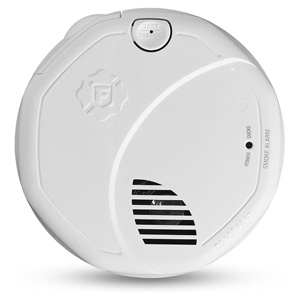
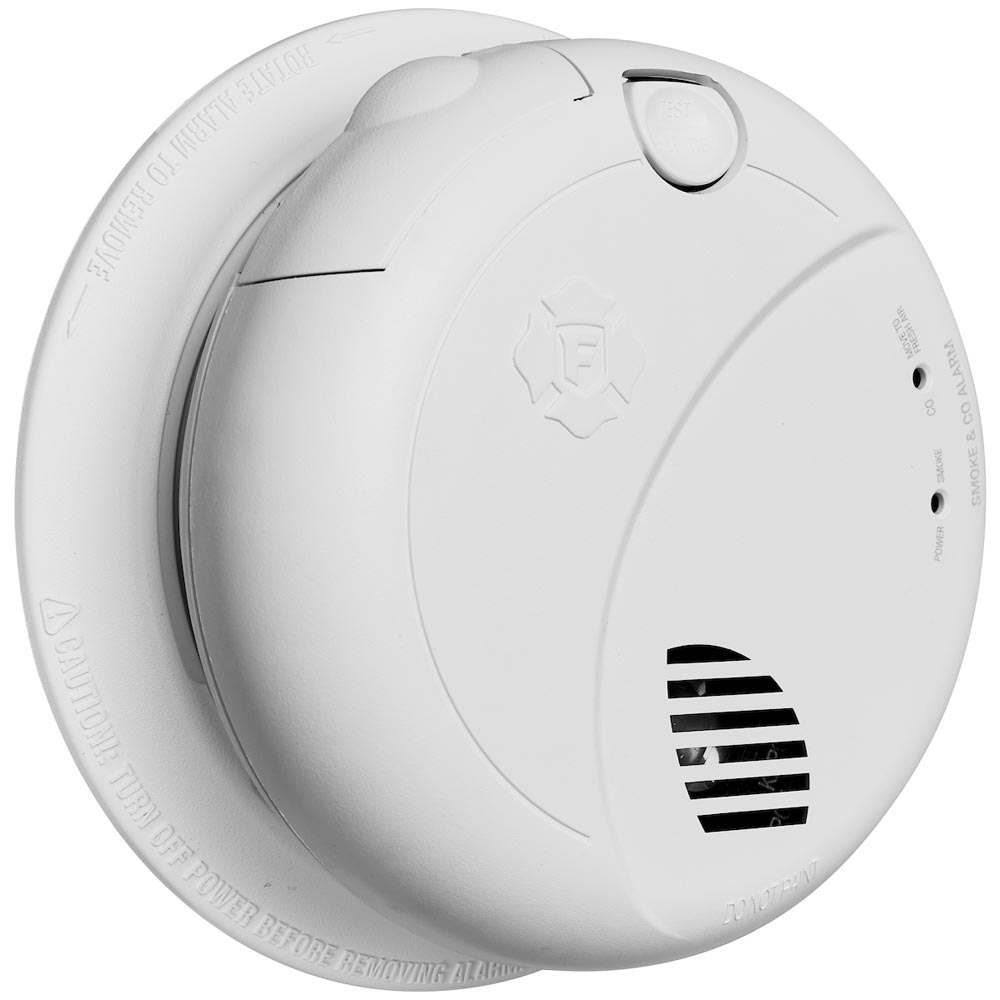
Smoke Alarm Installation and Placement
Ensure your home is protected with our First Alert smoke alarm installation guide. Learn the best placement for every room, understand NFPA recommendations, and avoid dead air zones to keep your family safe.
Strategic smoke alarm placement is the foundation of your home’s fire safety strategy. According to the National Fire Protection Association (NFPA), almost three out of five home fire deaths occur in properties with no smoke alarms or non-working alarms. To provide your family with the earliest possible warning, alarms must be positioned where smoke naturally travels and stays clear of environmental interference.
This comprehensive guide details the critical "must-have" locations - including every floor, every sleeping area, and the basement - while helping you navigate complex architectural features like vaulted ceilings and "dead air" zones to ensure your First Alert smoke alarm sensors perform exactly when they are needed most.
If you need help with nuisance alarms, see our troubleshooting guide for false alarms and chirping alerts.
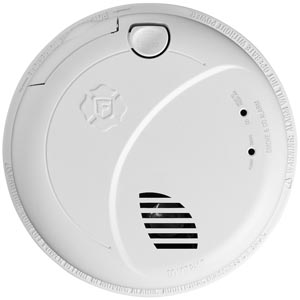
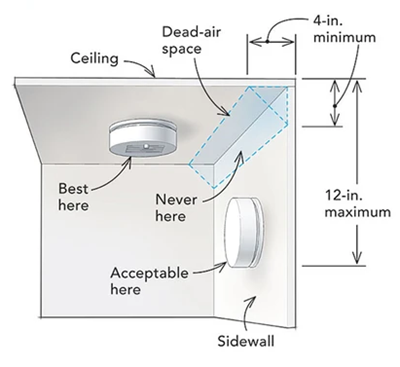
Smoke rises, so a smoke alarm is typically most effective when mounted high. Follow your alarm's manual for exact mounting instructions, but these general rules help most homes:
“Dead air” is a pocket of still air where smoke may not reach quickly. Installing a smoke alarm in dead air can delay detection. Dead air is common in these spots:
Best practice: Keep alarms away from corners and tight junctions so rising smoke can reach the sensor promptly.
Some locations can cause nuisance alarms or prevent smoke from reaching the sensor efficiently.
Yes. Installing alarms inside bedrooms and outside sleeping areas helps ensure you can hear the alarm quickly, especially if doors are closed.
It's best to avoid ceiling fans. Air movement can prevent smoke from reaching the sensor promptly and may delay detection.
Corners can create “dead air” pockets where smoke doesn't circulate quickly. Keeping alarms away from corners helps smoke reach the sensor sooner.
Ensure your home is protected with our First Alert smoke alarm installation guide. Learn the best placement for every room, understand NFPA recommendations, and avoid dead air zones to keep your family safe.
Learn where to install smoke alarms on every level and near bedrooms, plus where not to place them. Avoid “dead air” corners, vents, and ceiling fans for reliable detection.
Learn the differences between hardwired and battery smoke alarms and how to install each type. Includes wiring basics, placement tips, and when to choose each option.
Learn how to interconnect multiple smoke alarms so all units sound together. Covers hardwired interconnect, wireless options, compatibility tips, and troubleshooting.
Learn when to replace your First Alert smoke alarm, how to identify your connection type, choose the right replacement, install it safely, and dispose of old alarms responsibly.
Learn smoke alarm placement rules for apartments and rental homes, who is typically responsible for installation and upkeep, and hardwired vs battery options. Non-legal code basics included.
Contact options may differ depending on the type of help you need.