Product Support & Resources

Featured Products

Cleaning Smoke Alarms

Cleaning Your Smoke Alarm: How to Do It and Why It Matters

Cleaning your smoke alarm is one of the simplest and most overlooked parts of home safety maintenance. Over time, dust, lint, pet hair, grease, and other airborne particles can build up around the alarm’s vents and sensing chamber. That buildup can lead to nuisance alarms, chirping, reduced performance, or other unexpected behavior.

A quick monthly cleaning routine can help keep your smoke alarm working more reliably and may help reduce false alarms caused by dust and debris.

Why Cleaning a Smoke Alarm Is Important

Smoke alarms are designed to detect the presence of particles associated with smoke, but ordinary household dust and debris can sometimes interfere with that process. When dirt builds up inside or around the alarm, it may affect airflow, sensor performance, or the alarm’s ability to operate normally.

  • Helps reduce nuisance alarms caused by dust and debris
  • Supports more reliable performance over time
  • Helps prevent buildup from pet hair, lint, and household dust
  • Works well alongside monthly testing and battery checks

How Often Should You Clean a Smoke Alarm?

A good rule of thumb is to clean your smoke alarm once a month. Monthly cleaning pairs well with your regular monthly test routine.

You may also want to clean the alarm sooner if:

  • You have pets that shed
  • You recently completed remodeling or drywall work
  • The alarm is installed near a kitchen or other higher-dust area
  • You notice chirping, nuisance alarms, or visible dust on the unit

Step-by-Step: How to Clean a Smoke Alarm

For most household smoke alarms, the safest and easiest cleaning method is gentle vacuuming around the outer vents and openings.

  1. Let others in the home know you will be working near the alarm.
  2. Use a stable step stool or ladder if the alarm is mounted on a ceiling or high wall.
  3. Use a vacuum with a soft brush attachment if available.
  4. Gently vacuum around the outer vents and openings to remove dust, lint, and pet hair.
  5. Wipe the exterior lightly with a dry or slightly damp cloth if needed.
  6. Do not open sealed alarm housings unless the manufacturer specifically instructs you to do so.
  7. Press the Test button after cleaning to confirm the alarm still responds properly.

What You Should Not Do When Cleaning a Smoke Alarm

Using the wrong cleaning method can damage the alarm or interfere with the sensor. Avoid these common mistakes:

  • Do not spray cleaners, solvents, or aerosols into the alarm
  • Do not paint the alarm
  • Do not use compressed air unless the manufacturer specifically allows it
  • Do not soak the alarm or wipe it with an overly wet cloth
  • Do not insert tools or objects into the vents
  • Do not remove permanently sealed batteries or sealed components improperly

How Dust Can Cause False Alarms or Chirping

When dust or debris collects inside or around a smoke alarm, it can sometimes disrupt how the unit senses air movement or particles. This may cause nuisance alarms, random chirping, or other irregular behavior. While not every chirp is caused by dust, cleaning is one of the easiest troubleshooting steps to try before assuming the unit needs replacement.

If the alarm continues chirping after cleaning, also check the battery, power source, mounting position, and age of the unit.

Cleaning Tips for Different Areas of the Home

Kitchen-Adjacent Smoke Alarms

Smoke alarms installed near kitchens may collect grease, cooking residue, and fine particles more quickly. Clean these units regularly and make sure they are installed at an appropriate distance from cooking appliances according to the product instructions.

Hallway and Bedroom Smoke Alarms

These alarms often collect ordinary household dust and lint. Monthly vacuuming is usually enough to keep them cleaner and working more reliably.

Basement or Utility Area Smoke Alarms

Basements and utility spaces may expose alarms to more dust, furnace particles, or storage debris. Check these units carefully during routine maintenance and clean them when buildup is visible.

Cleaning Is Only One Part of Alarm Maintenance

Cleaning helps, but it should be part of a larger maintenance routine for your smoke alarms.

  • Test the alarm monthly
  • Replace batteries as needed on applicable models
  • Check for end-of-life based on the model’s service life
  • Replace alarms that fail testing or no longer operate properly
  • Make sure alarms stay mounted correctly after cleaning or battery changes

Signs Your Smoke Alarm May Need More Than Cleaning

Cleaning can solve some nuisance issues, but not every problem. You may need additional troubleshooting or replacement if:

  • The alarm does not pass a test
  • Chirping continues after cleaning and battery replacement
  • The unit has visible damage
  • The alarm is old and may be at end-of-life
  • The sound is weak or inconsistent during testing

Helpful Monthly Maintenance Routine

  1. Vacuum around the smoke alarm vents
  2. Wipe the outside of the alarm if needed
  3. Press the Test button
  4. Listen for a strong, clear alarm sound
  5. Check the battery or backup battery if applicable
  6. Make note of any chirping or unusual behavior

Common Mistakes to Avoid

  • Only cleaning the alarm after it starts chirping
  • Using household sprays directly on the unit
  • Skipping the test after cleaning
  • Assuming dust is the only reason for chirping
  • Ignoring alarm age and end-of-life warnings
  • Forgetting to clean alarms in less-visited areas like basements and guest hallways

FAQs

How often should I clean my smoke alarm?

A good routine is to clean your smoke alarm once a month, usually at the same time you test it. Homes with pets, dust, or nearby cooking may need more frequent attention.

What is the safest way to clean a smoke alarm?

For most alarms, gently vacuuming around the outer vents with a soft brush attachment is one of the safest and easiest cleaning methods. Afterward, test the alarm to confirm it still responds properly.

Can dust make a smoke alarm go off?

Yes, dust and debris can sometimes contribute to nuisance alarms or chirping by interfering with the alarm’s normal sensing or airflow. Cleaning is a good first maintenance step to try.

Can I spray cleaner into my smoke alarm?

No. Household sprays, solvents, and aerosols should not be sprayed into a smoke alarm because they may damage the unit or interfere with sensor performance.

Should I test the alarm after cleaning it?

Yes. After cleaning, press the Test button to help confirm the alarm still sounds properly and returns to normal standby condition.

What if cleaning does not stop the chirping or false alarms?

If cleaning does not solve the issue, check the battery, power source, mounting position, and age of the unit. If the alarm still fails testing or continues acting abnormally, replacement may be necessary.

Final Reminder

Cleaning your smoke alarm every month is a small step that can support more reliable performance and help reduce nuisance alarms. Pair regular cleaning with monthly testing and timely replacement so your alarms are ready when you need them most.

View All Support Topics

Smoke Alarm Installation and Placement

Ensure your home is protected with our First Alert smoke alarm installation guide. Learn the best placement for every room, understand NFPA recommendations, and avoid dead air zones to keep your family safe.

Smoke Alarm Placement

Learn where to install smoke alarms on every level and near bedrooms, plus where not to place them. Avoid “dead air” corners, vents, and ceiling fans for reliable detection.

Interconnecting Smoke Alarms

Learn how to interconnect multiple smoke alarms so all units sound together. Covers hardwired interconnect, wireless options, compatibility tips, and troubleshooting.

Replacing Smoke Alarms

Learn when to replace your First Alert smoke alarm, how to identify your connection type, choose the right replacement, install it safely, and dispose of old alarms responsibly.

Carbon Monoxide Alarm Placement

Learn where to place carbon monoxide detectors for best protection - every level, near sleeping areas, and the right distance from appliances. CO alarms don’t need to be near the floor.

Carbon Monoxide Detector Basics

Learn what carbon monoxide is, where it comes from, what CO detectors detect (and don’t), whether they detect natural gas, and how to know if your home needs CO alarms.

Replacing Carbon Monoxide Alarms

Learn when to replace your First Alert carbon monoxide alarm, how to swap battery, plug-in, or hardwired models step-by-step, choose the right replacement, and dispose safely.

CO Alarms for Apartments and Rentals

Learn CO detector placement for apartments and rental homes, who typically handles installation and battery changes, hardwired vs battery vs plug-in options, and basic code concepts (non-legal advice).

Testing and Maintenance

Learn how often to test smoke and CO alarms, how to test step-by-step, what to do if a test fails, how to reset First Alert alarms, and how monthly cleaning helps prevent false alarms.
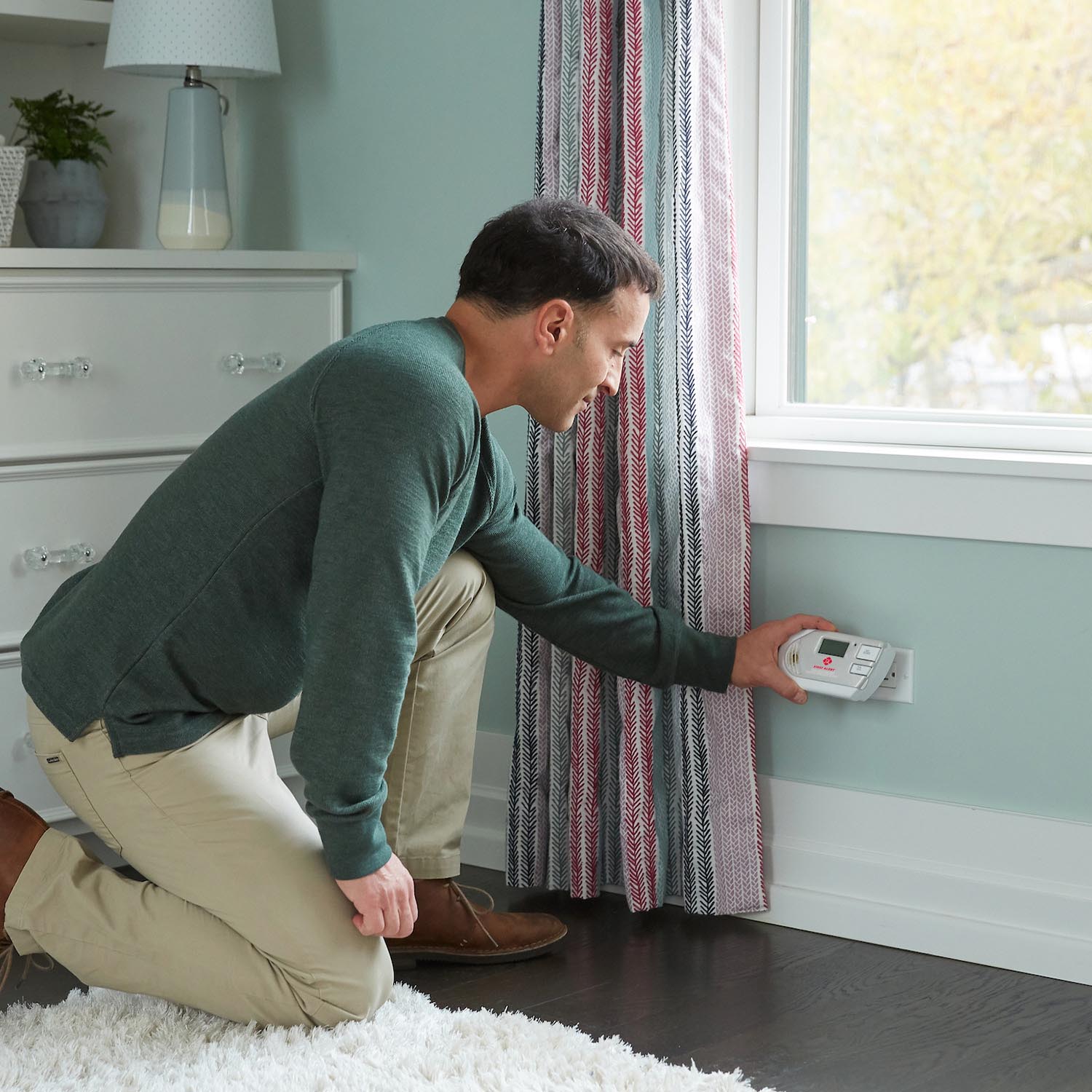
Testing Smoke Alarms

Learn how often to test smoke alarms, how to test them step by step, what the test button checks, what to do if a smoke alarm fails, and common maintenance tips.

Testing Carbon Monoxide Detectors

Learn how often to test carbon monoxide detectors, how to test them step by step, what the test button checks, what to do if a CO alarm fails, and helpful maintenance tips.

Resetting First Alert Alarms

Learn how to reset a First Alert smoke alarm or carbon monoxide alarm step by step, including battery, plug-in, and hardwired models, plus common reasons an alarm needs a reset.

Cleaning Smoke Alarms

Learn how to clean a smoke alarm step by step, why dust buildup matters, how monthly vacuuming can help reduce nuisance alarms, and common cleaning mistakes to avoid.

Troubleshooting Common Issues

Learn why your smoke alarm chirps, what beep patterns mean, how to prevent nuisance alarms, why alarms chirp after battery changes, and when it is time to replace an expired unit.

Smoke Alarm Chirping or Beeping

Learn why your smoke alarm is chirping, what different beep patterns may mean, and how to troubleshoot low battery, end-of-life, power, and sensor-related issues.

Nuisance Alarms

Learn why smoke alarms go off without visible smoke, what causes nuisance alarms from cooking, steam, humidity, and dust, and how to help prevent false alarms.

New Battery Issues

Learn why a smoke or carbon monoxide alarm may still chirp after a new battery is installed, including reset steps, battery fit issues, drawer problems, and end-of-life warnings.

Smoke Alarm Battery Replacement

Learn how to change a First Alert smoke alarm battery, how battery replacement differs from sealed 10-year battery models, and what to do if the alarm still chirps after replacement.

Smoke Alarm Expiration and Dates

Learn how to find the manufacture date on a smoke alarm, why smoke alarms expire after 10 years, and why an alarm may need replacement even if it still seems to work.

Haven't found the answer? We can help.

Contact Us

Contact options may differ depending on the type of help you need.

0 $0.00
Top