When checking out, simply select the "New Customer" option. All you need to get started is a valid email address and a secure password of your choosing. After your purchase is complete, your account will be created, and you will immediately gain all the benefits of being an account holder. If you have previously placed an order with us as a guest, you can try using the "Forgot Password" feature under the "Sign In" tab.
Benefits of having an account:
Real-time status updates on all your orders and returns.
Ability to view detailed order history.
Eligibility to enroll in subscription items for recurring discounts.
Access to more store features and quicker customer support.
Connection to a dedicated sales representative if placing bulk orders.
Manage your account settings:
Update your email address and password.
Unsubscribe from email promotions.
Manage item subscriptions.
Delete your account and remove your information.
We respect your privacy and are committed to protecting any personal information you may provide us through our Website. View our privacy policy for more info.
Smoke Alarm Placement and Responsibility in Rentals
Smoke alarm placement in apartments and rental properties follows the same safety principles as single-family homes: you want early warning in sleeping areas and on every level. The difference in rentals is that responsibility (who installs, replaces, and maintains alarms) can depend on local laws, building type, and lease terms. This page explains best-practice placement, common landlord vs tenant responsibilities, hardwired vs battery options in rentals, and general code concepts as non-legal guidance.
Recommended smoke alarm placement in apartments and rentals
Use these placement recommendations as a baseline. Your local building code, fire department, or property management may require additional coverage.
Inside each bedroom: Helps ensure a sleeping occupant hears the alarm quickly, even with doors closed.
Outside sleeping areas: Place an alarm in the hallway near bedrooms.
On every level: For multi-level rental units (townhomes/duplexes), install alarms on each level including basements.
Living areas: Consider coverage near main living spaces, especially if bedrooms are far away.
Avoid dead air and drafts: Do not install in corners, near ceiling fans, or near HVAC vents where airflow can delay smoke reaching the sensor.
Kitchen and bathroom placement tips in smaller units
Small apartments often have kitchens close to living and sleeping areas, which can increase nuisance alarms. Avoid installing smoke alarms too close to cooking appliances or steamy bathrooms. Instead, place the alarm in the nearby hallway or living area where it can still detect smoke quickly without constant false alarms.
Who is responsible in a rental? (general guidance)
Responsibility varies by location. The list below reflects common patterns, but always check local requirements and your lease. This page is not legal advice.
Landlord or property manager responsibilities (common)
Providing and installing required smoke alarms when a unit is rented
Ensuring alarms meet local code requirements (type, placement, interconnect, power source)
Replacing expired alarms or non-functioning units reported by tenants
Maintaining hardwired systems or addressing electrical issues
Tenant responsibilities (common)
Testing alarms regularly using the test button
Replacing standard replaceable batteries when applicable (if the lease or local rules assign this to the tenant)
Not disabling alarms (removing batteries, covering alarms, or tampering)
Reporting chirping, end-of-life signals, damage, or repeated false alarms to the landlord or property manager
Best practice: put responsibilities in writing
Many property managers include smoke alarm responsibilities in move-in documentation. If you are unsure, ask before making changes to hardwired alarms or replacing equipment.
Hardwired vs battery smoke alarms in rentals
Hardwired alarms (often used in larger buildings or newer units)
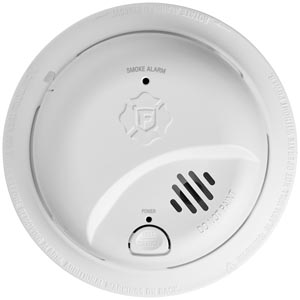
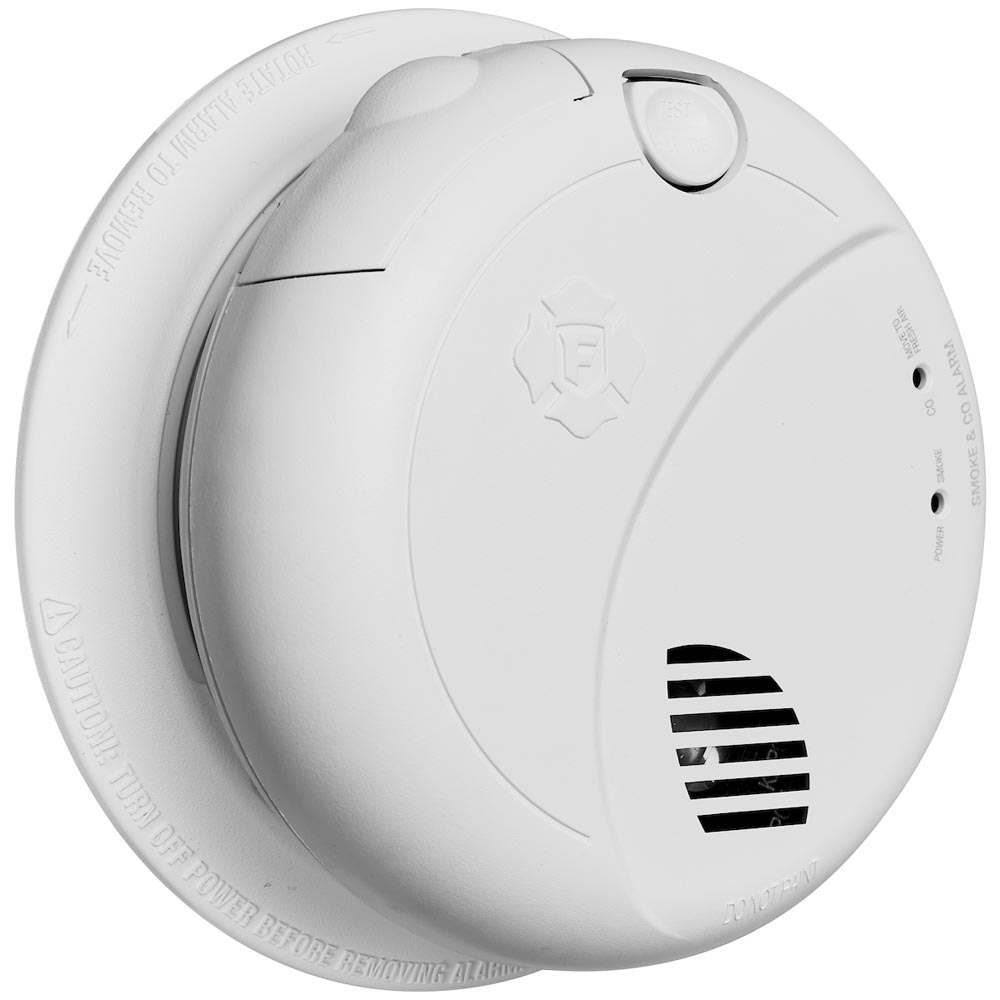
Hardwired alarms are connected to the building’s electrical system and often include battery backup. In many newer properties, alarms may also be interconnected so that one alarm triggers others.
Pros: Consistent primary power; often supports interconnection; common in new construction
Cons: Replacement may require compatibility with existing wiring harness and interconnect system; electrical work may be needed
Typical responsibility: Landlord/property manager handles replacement and wiring
Battery-powered alarms (common in older rentals and small units)
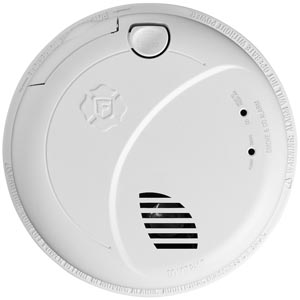
Battery alarms can be installed without wiring, which makes them common for retrofits and older properties. They may use replaceable batteries or sealed 10-year batteries depending on the model and local requirements.
Pros: Simple installation; easy to add coverage; good for quick upgrades
Cons: Requires battery attention unless sealed; tenants sometimes disable alarms during nuisance events
Typical responsibility: Varies; tenants may handle replaceable batteries while landlords provide the device
Sealed 10-year battery alarms in rentals
Sealed 10-year alarms can reduce maintenance and “missing battery” issues because the battery is built in for the life of the alarm. These can be a strong option for rentals where battery replacement compliance is a concern.
Code basics for rentals (non-legal overview)
Building codes and local ordinances can require specific alarm types and placement. Requirements often depend on building age, whether the unit is being newly built or renovated, and whether alarms must be interconnected. Use this section as a general overview only.
Coverage: Codes commonly require alarms in bedrooms, outside sleeping areas, and on every level of a dwelling.
Interconnection: New construction and major renovations often require alarms to be interconnected so all sound together.
Power source: Some jurisdictions require hardwired alarms (with battery backup) in certain building types or renovation scenarios.
Inspections: Rentals may have periodic inspections that include functioning smoke alarms.
If you are a landlord or tenant
Landlord/property manager: Check local requirements for your building type and renovation status, and standardize compatible alarm models when possible.
Tenant: Test monthly and report any chirping, failures, or missing alarms immediately to the property manager.
Common rental scenarios and what to do
The alarm is chirping in a rental unit
Identify which alarm is chirping (chirps often echo).
If it is a replaceable-battery alarm, replace the battery if permitted by your lease.
If chirping continues or the unit is sealed battery or hardwired, notify your landlord/property manager.
The alarm keeps going off while cooking
Use the hush/silence feature if available and ventilate the area.
Do not remove the battery or disable the unit.
If it happens frequently, ask your property manager about reviewing placement and model type for that location.
You want to replace or relocate an alarm
Do not move or remove required alarms without approval in a rental.
Hardwired alarms should generally be handled by the property manager or a qualified electrician.
If you want additional coverage, ask permission to add a battery alarm in a compliant location.
Frequently asked questions
Who is responsible for smoke alarms in a rental?
It depends on local laws and the lease. Commonly, landlords provide and install required alarms, while tenants test them and may replace standard batteries if allowed. For hardwired systems or expired alarms, landlords typically handle replacement.
Can a tenant replace a hardwired smoke alarm?
Usually the property manager should handle hardwired alarms because they connect to the electrical system and may be part of an interconnected network. If you are a tenant, report issues and request service rather than attempting wiring work.
Are battery smoke alarms allowed in apartments?
Many apartments use battery alarms, especially in older buildings or where wiring upgrades have not been done. However, some jurisdictions or renovation situations require hardwired alarms with battery backup. Check local requirements or ask your property manager.
What should I do if my rental unit has no smoke alarm?
Contact your landlord or property manager immediately. Smoke alarms are commonly required, and missing alarms should be addressed promptly. Do not wait until an inspection or emergency.
Ensure your home is protected with our First Alert smoke alarm installation guide. Learn the best placement for every room, understand NFPA recommendations, and avoid dead air zones to keep your family safe.
Contact options may differ depending on the type of help you need.
Cookie Preferences
This site uses a small number of cookies to provide a secure and reliable shopping experience.
Required cookies are set directly by this site and are used only for essential store functions such as maintaining your shopping cart, processing checkout, providing security, and keeping the site working properly. We also use optional Google cookies for website analytics and advertising measurement. You can choose whether to allow these Google cookies below.
Required Cookies
These cookies are necessary for essential website functions, including your shopping cart, checkout, site security, and maintaining your shopping session. These cookies are set directly by this site and cannot be disabled.
Always Active
Google Analytics & Advertising Cookies
We use Google services to understand how customers use this site, improve site performance and navigation, and measure the effectiveness of our advertising. These cookies are optional. Turning them off will not affect your ability to browse, shop, or complete an order.
Learn more about how we protect your information in our Privacy Policy.