



Carbon Monoxide Alarm Installation and Placement
Learn where to install carbon monoxide alarms, how many you need, and placement tips for houses, apartments, and rentals - plus what to do when an alarm sounds.
Related Topics:
 Smoke Alarm Tips
 Carbon Monoxide Alarm Tips
 Interconnected Smoke Alarm Tips
 Extinguishing Spray Tips
 Other Safety Product Tips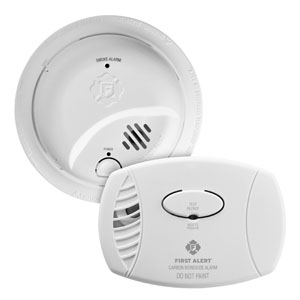

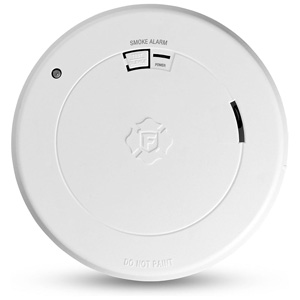
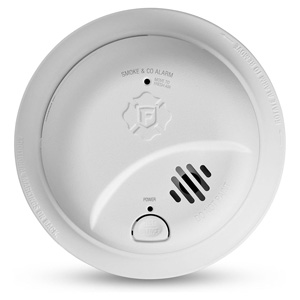
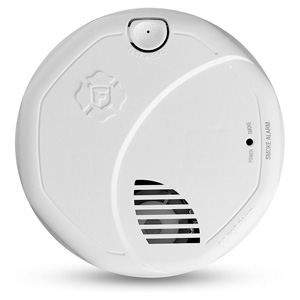
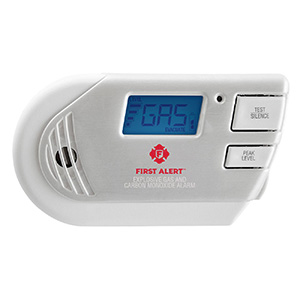
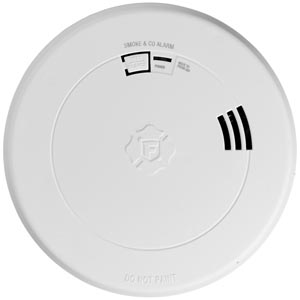
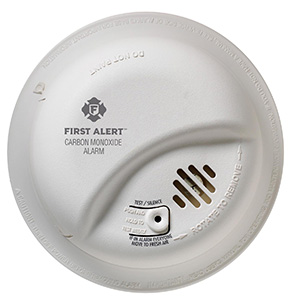
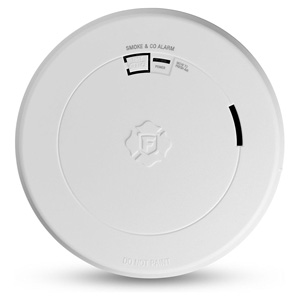
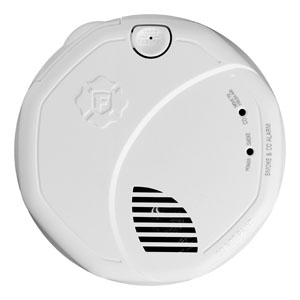
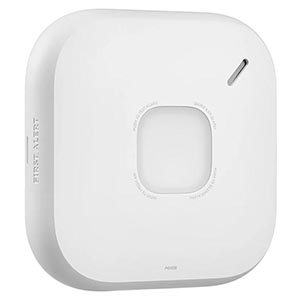
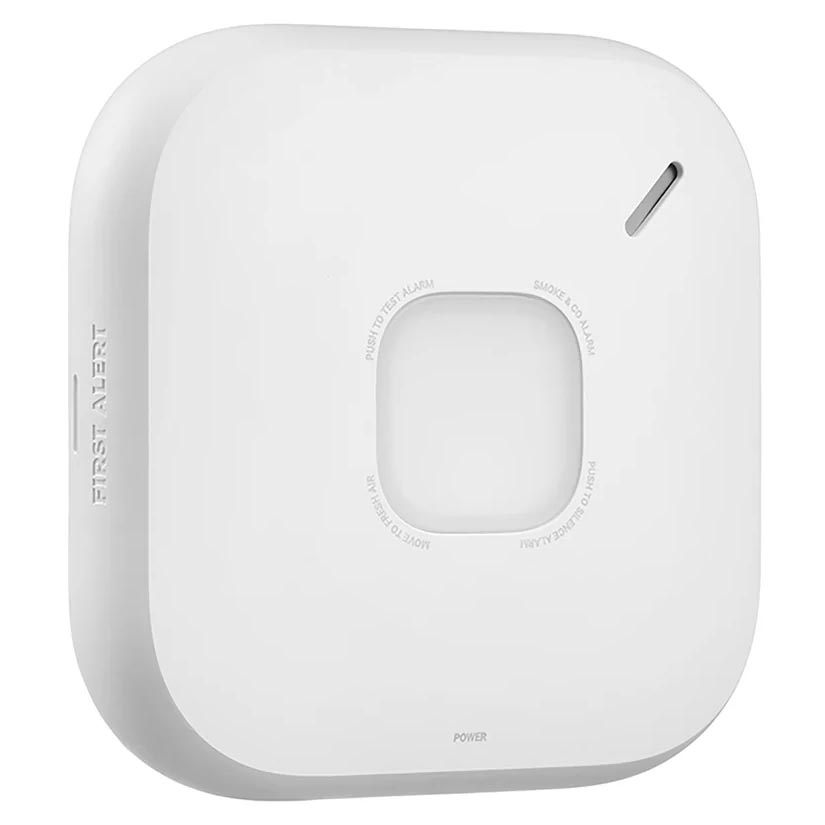
Carbon monoxide (CO) alarms are available in several power configurations, most commonly hardwired, battery-operated, and plug-in models. While all three types are designed to detect dangerous carbon monoxide levels and alert occupants with an audible alarm, the installation process and ideal use cases for each type are slightly different. The right choice often depends on your home’s electrical setup, whether you are installing alarms in a new build or adding protection to an existing home, and how permanent you want the installation to be.
For example, hardwired alarms are typically used in newer homes or during renovations where electrical wiring is already available, while battery-operated and plug-in alarms provide flexible solutions for retrofitting older homes or adding additional coverage quickly. Understanding how each type works, where it is typically installed, and the basic installation steps can help you choose the option that fits your home while ensuring your carbon monoxide protection is reliable and properly installed.
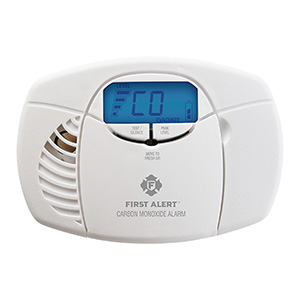
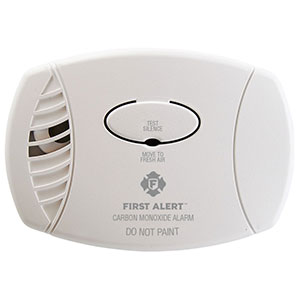
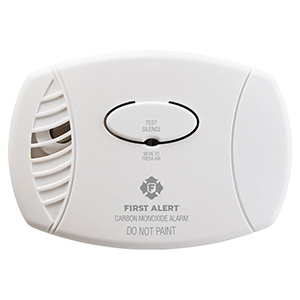
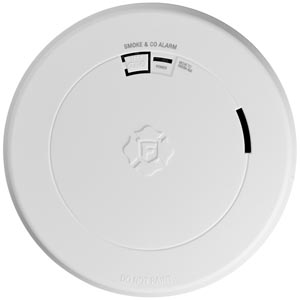
Battery models are the simplest to install and are great for adding protection on additional levels or in areas without a nearby outlet.
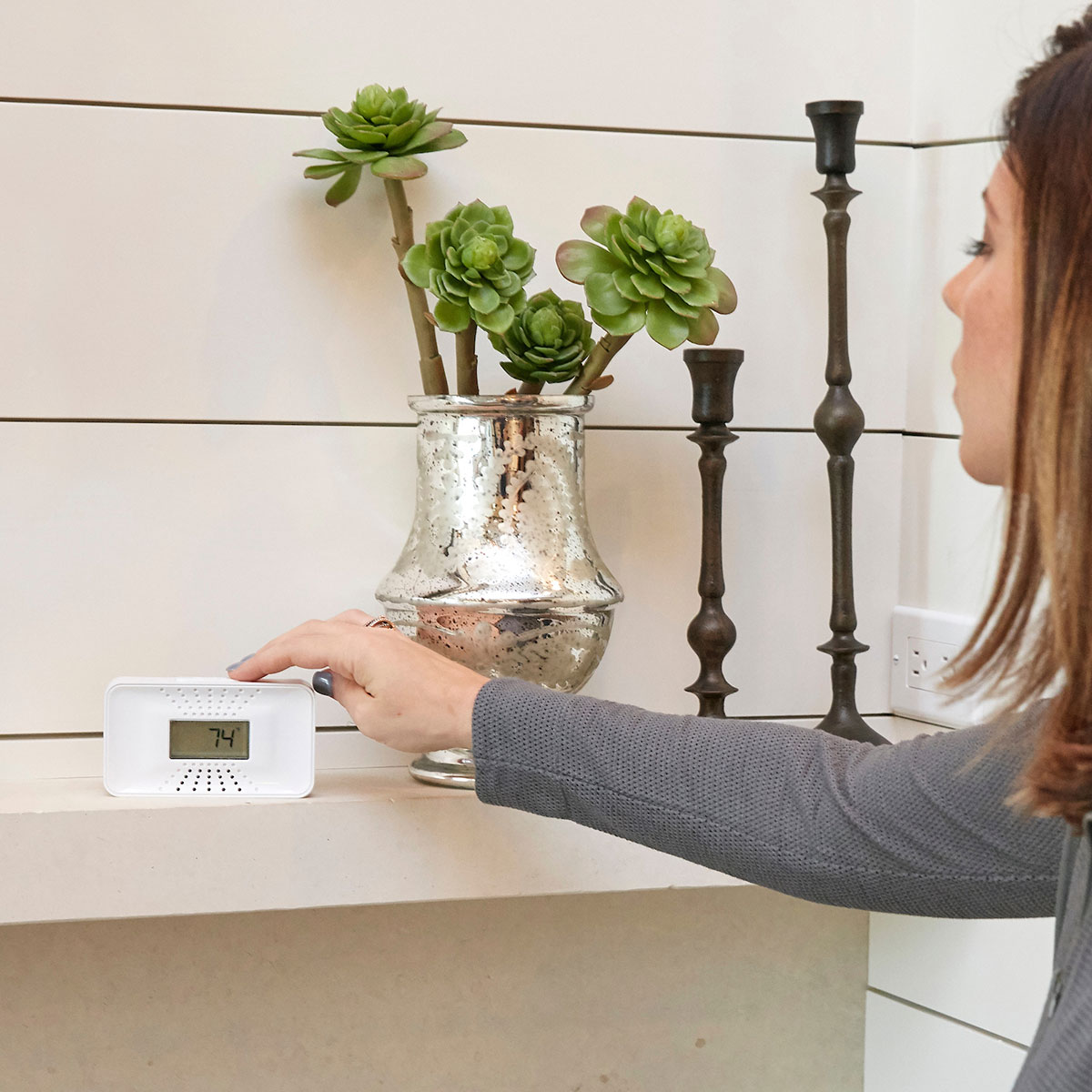
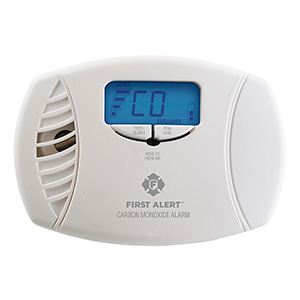
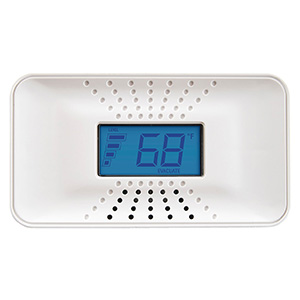
Plug-in alarms are fast to set up, but outlet choice matters. A good outlet location should be unobstructed and not easily switched off.
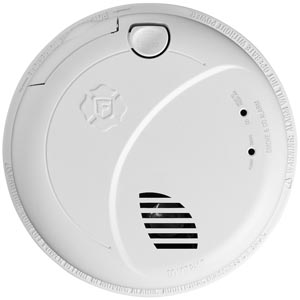
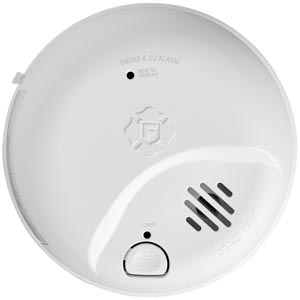
Hardwired alarms connect to household electrical wiring and may include battery backup. Some models can also be interconnected so that when one alarm detects danger, multiple alarms sound (depending on the product and wiring setup). Because electrical work can be hazardous, many homeowners choose a licensed electrician for installation.
Battery-operated alarms are usually the easiest because they don’t require wiring or an outlet—just mount the bracket, install the batteries, and test.
Yes. CO mixes with air as it circulates, so detectors don’t need to be installed near the floor. Choose an outlet location that isn’t blocked and won’t be switched off accidentally.
Many hardwired models include battery backup so the alarm can still work during a power outage. Check your model’s manual to confirm whether it uses backup batteries and which type.
Some homeowners do, but electrical work can be hazardous. If you’re not experienced with wiring, it’s safer to use a qualified electrician or installer.
Press the Test/Silence button to confirm the alarm powers on and sounds. Then test regularly and replace batteries/units according to the manufacturer schedule.
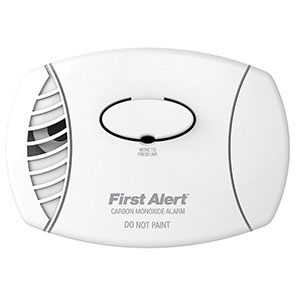
Explore related support articles and resources for this topic.
Learn where to install carbon monoxide alarms, how many you need, and placement tips for houses, apartments, and rentals - plus what to do when an alarm sounds.
Contact options may differ depending on the type of help you need.