When checking out, simply select the "New Customer" option. All you need to get started is a valid email address and a secure password of your choosing. After your purchase is complete, your account will be created, and you will immediately gain all the benefits of being an account holder. If you have previously placed an order with us as a guest, you can try using the "Forgot Password" feature under the "Sign In" tab.
Benefits of having an account:
Real-time status updates on all your orders and returns.
Ability to view detailed order history.
Eligibility to enroll in subscription items for recurring discounts.
Access to more store features and quicker customer support.
Connection to a dedicated sales representative if placing bulk orders.
Manage your account settings:
Update your email address and password.
Unsubscribe from email promotions.
Manage item subscriptions.
Delete your account and remove your information.
We respect your privacy and are committed to protecting any personal information you may provide us through our Website. View our privacy policy for more info.
Choosing Between Hardwired and Battery Smoke Alarms
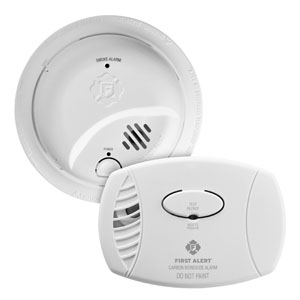
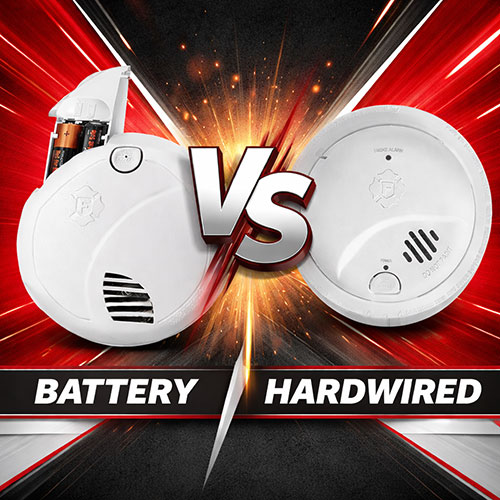
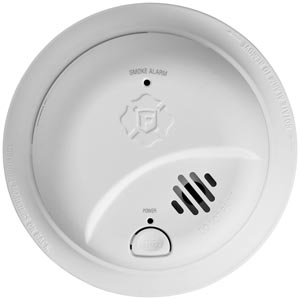
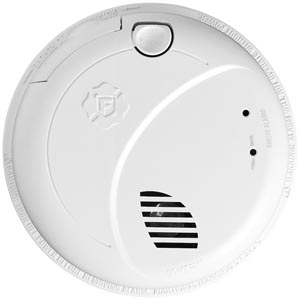
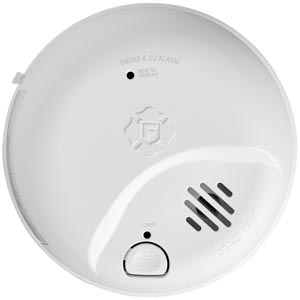
Choosing between hardwired and battery-powered smoke alarms is an important part of protecting your home from fire. Both types are designed to provide reliable, life-saving detection, but they serve different installation needs and may be subject to local building codes.
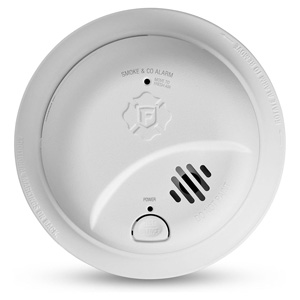
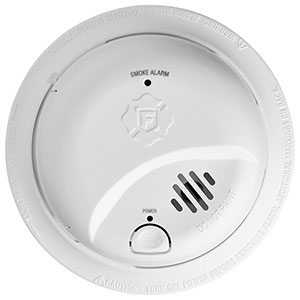
Hardwired smoke alarms connect directly to your home's electrical system and typically include a battery backup, making them the standard choice in many newer homes. Battery-operated smoke alarms, on the other hand, provide a flexible solution that works well for older homes or areas where running new wiring is not practical.
Understanding the differences - such as how each alarm receives power, communicates with other alarms, and performs during power outages - can help you choose the right protection for your home.
Understanding the two main smoke alarm power types
Hardwired smoke alarms
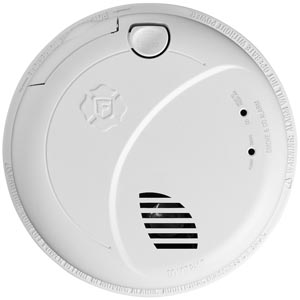
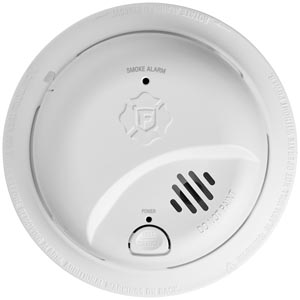
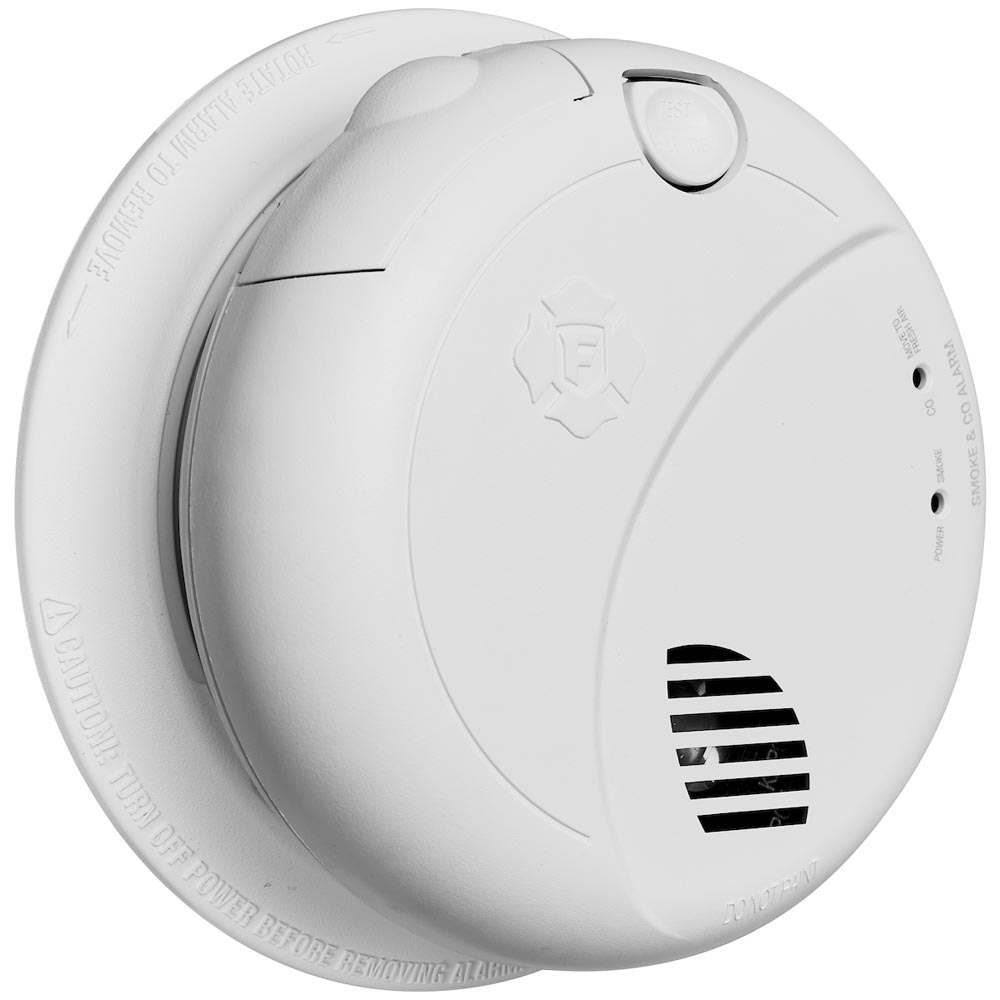
Hardwired smoke alarms connect directly to your home's electrical system (usually 120V) and typically include a backup battery in case power is lost. These alarms are commonly required in newer homes and major renovations by building codes.
Powered by household electrical wiring
Usually interconnected so all alarms sound together
Include a backup battery for power outages
Common in new construction and modern homes
Battery-operated smoke alarms
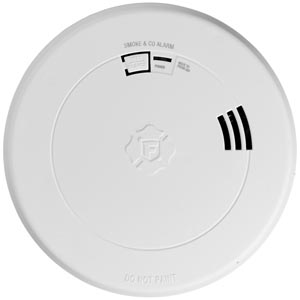
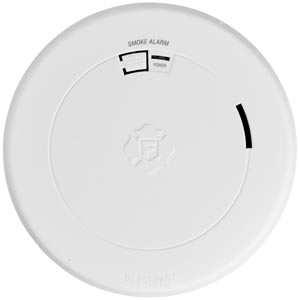
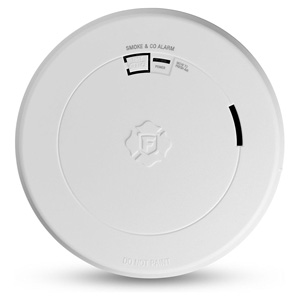
Battery-powered smoke alarms run entirely on batteries and do not require electrical wiring. They are ideal for older homes, apartments, or locations where installing wiring would be difficult.
Powered entirely by replaceable or sealed batteries
No electrical wiring required
Easy installation using mounting bracket and screws
Common for retrofitting older homes or adding alarms to additional locations
How to install a battery-operated smoke alarm
Battery-powered alarms are typically the easiest type to install and can usually be mounted in just a few minutes.
Choose the correct location following recommended placement guidelines (every level of the home and near sleeping areas).
Attach the mounting bracket to the ceiling or wall using screws and anchors if needed.
Insert the battery according to the manufacturer instructions.
Attach the alarm unit to the mounting bracket by twisting it into place.
Press the test button to confirm the alarm is functioning properly.
Many newer models use sealed 10-year lithium batteries. These units do not require battery replacement and are designed to last the full life of the alarm.
How to install a hardwired smoke alarm
Hardwired alarms connect to your home's electrical wiring. If your home already has existing smoke alarm wiring, replacing a hardwired alarm is usually straightforward. If wiring does not already exist, installation may require an electrician.
Turn off power to the smoke alarm circuit at the breaker panel.
Remove the existing alarm (if replacing) and disconnect the wiring harness.
Connect the new alarm using the included wiring harness adapter.
Secure the mounting bracket to the electrical box in the ceiling or wall.
Attach the alarm to the bracket and restore power at the breaker.
Install the backup battery if required.
Press the test button to confirm the alarm operates correctly.
Hardwired interconnect feature
Many hardwired alarms include an interconnect wire that allows multiple alarms to communicate with each other. When one alarm detects smoke, all interconnected alarms sound simultaneously. This feature provides faster alerts throughout the home.
Key differences between hardwired and battery alarms
Power source: Hardwired alarms use home electrical power with battery backup, while battery alarms rely entirely on batteries.
Installation complexity: Battery alarms are easier to install because they do not require wiring.
Interconnect capability: Hardwired alarms often support wired interconnection between units.
Best use: Hardwired alarms are common in new homes, while battery alarms are ideal for retrofitting older homes.
When to choose each type
Choose hardwired alarms if
Your home already has smoke alarm wiring installed
You are building a new home or doing major renovation
You want interconnected alarms throughout the house
Choose battery-powered alarms if
Your home does not have smoke alarm wiring
You want a quick and easy installation
You need to add alarms in additional locations
Important installation tips
Install smoke alarms on every level of the home.
Place alarms inside bedrooms and outside sleeping areas.
Avoid installing alarms near vents, fans, or drafty windows.
Test alarms monthly using the test button.
Replace smoke alarms every 10 years.
Frequently asked questions
Can I replace a hardwired smoke alarm with a battery model?
Yes, but if your home already has wiring installed, replacing the alarm with another compatible hardwired unit is usually recommended so you can maintain interconnection between alarms.
Do hardwired smoke alarms still need batteries?
Most hardwired alarms include a backup battery so the alarm continues working during power outages.
Are battery smoke alarms reliable?
Yes. When properly installed and maintained, battery-powered alarms provide effective fire detection and are widely used in homes and apartments.
How long do smoke alarms last?
Most smoke alarms should be replaced every 10 years because the internal sensors degrade over time.
Ensure your home is protected with our First Alert smoke alarm installation guide. Learn the best placement for every room, understand NFPA recommendations, and avoid dead air zones to keep your family safe.
Contact options may differ depending on the type of help you need.
Cookie Preferences
This site uses a small number of cookies to provide a secure and reliable shopping experience.
Required cookies are set directly by this site and are used only for essential store functions such as maintaining your shopping cart, processing checkout, providing security, and keeping the site working properly. We also use optional Google cookies for website analytics and advertising measurement. You can choose whether to allow these Google cookies below.
Required Cookies
These cookies are necessary for essential website functions, including your shopping cart, checkout, site security, and maintaining your shopping session. These cookies are set directly by this site and cannot be disabled.
Always Active
Google Analytics & Advertising Cookies
We use Google services to understand how customers use this site, improve site performance and navigation, and measure the effectiveness of our advertising. These cookies are optional. Turning them off will not affect your ability to browse, shop, or complete an order.
Learn more about how we protect your information in our Privacy Policy.