



Troubleshooting Common Issues
Learn why your smoke alarm chirps, what beep patterns mean, how to prevent nuisance alarms, why alarms chirp after battery changes, and when it is time to replace an expired unit.
Related Topics:
 Smoke Alarm Tips
 Carbon Monoxide Alarm Tips
 Interconnected Smoke Alarm Tips
 Extinguishing Spray Tips
 Other Safety Product Tips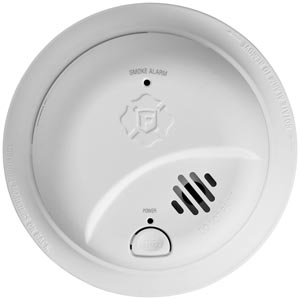
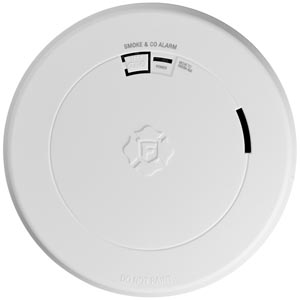
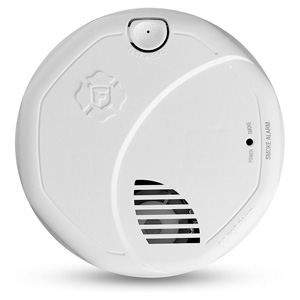
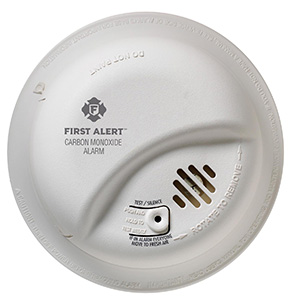
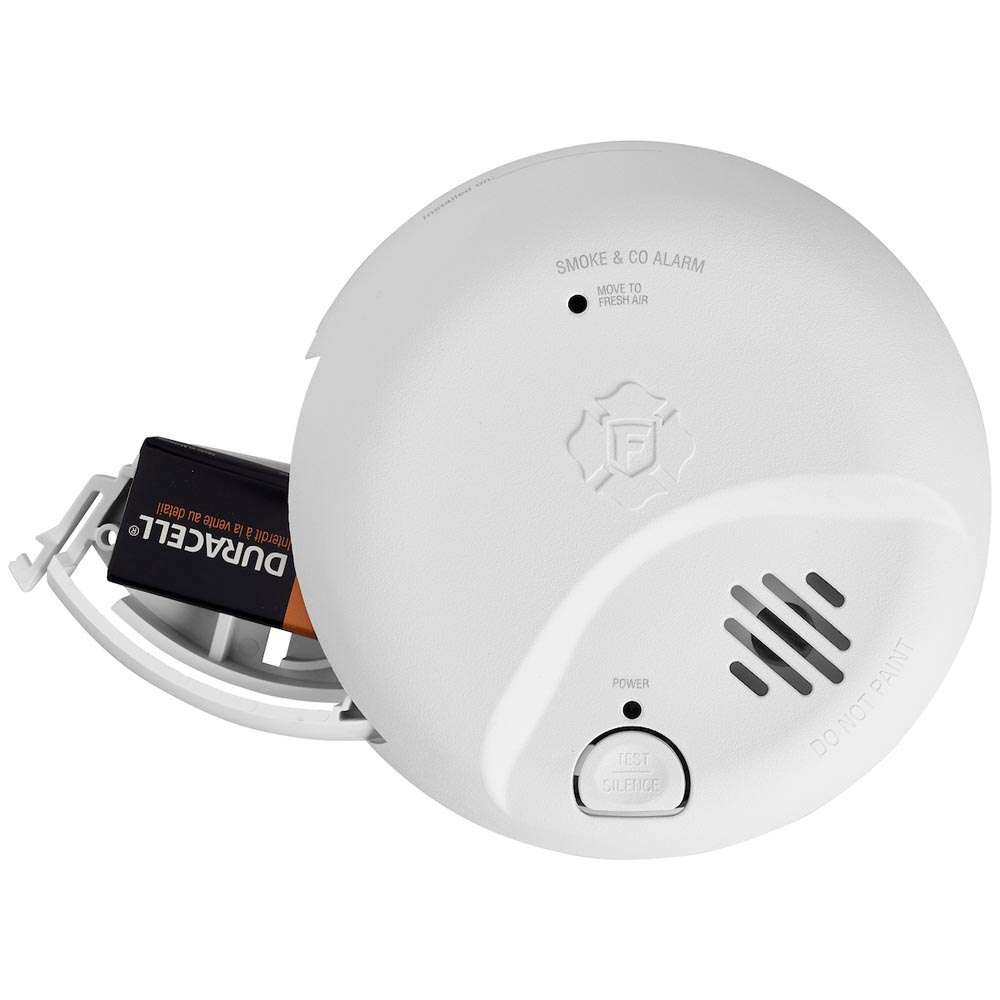
Changing the battery in a First Alert smoke alarm is one of the most important maintenance steps you can take to keep your home protected. Many smoke alarms use replaceable batteries that need to be changed periodically, while others use a sealed 10-year battery designed to last for the life of the alarm. Knowing which type you have is the first step to proper maintenance.
This guide explains how to change the battery in a First Alert smoke alarm, how to tell whether your unit has a replaceable battery or a sealed 10-year battery, and what to do if the alarm keeps chirping after battery replacement.
Not all smoke alarms are maintained the same way. Before replacing anything, check your model and look at the battery area on the alarm.
If your unit has a battery drawer or compartment, it is likely a replaceable-battery model or a hardwired model with battery backup. If there is no removable battery access, the unit may be a sealed battery alarm.
Battery replacement steps can vary slightly by model, but the general process is similar for many First Alert smoke alarms.
Always use the battery type recommended for your specific model. Installing the wrong battery or not fully closing the battery drawer can cause chirping or prevent normal operation.
Hardwired smoke alarms often include a backup battery so the unit can still operate during a power outage. Even though the alarm is connected to household wiring, the backup battery still needs attention.
If the alarm continues chirping after battery replacement, the issue may involve the backup battery, AC power connection, a reset step, or end-of-life replacement timing.
No. Sealed 10-year battery smoke alarms are designed with a built-in battery that lasts for the intended life of the alarm. The battery is not meant to be removed or replaced during normal use.
When a sealed 10-year battery alarm reaches the end of its service life or begins its end-of-life warning, the full alarm should be replaced.
The maintenance difference is simple but important:
Even though sealed battery models reduce routine battery changes, they still need regular testing and should be replaced once they reach the end of their service life.
You can usually identify a sealed battery alarm by looking for a few common signs:
If you are unsure, check the model number and product instructions for confirmation.
If your alarm keeps chirping after you install a new battery, the problem may not be the battery itself.
A new battery will not stop an end-of-life warning on an expired alarm.
Some alarms may continue chirping briefly until stored electrical charge is cleared. A general reset process may include:
Always follow the instructions for your specific model, especially when working with hardwired alarms.
The timing depends on the model and battery type, but replaceable-battery units should be checked regularly and serviced whenever the alarm gives a low-battery warning. Some homeowners choose to replace batteries on a routine schedule, while others follow the low-battery alert from the unit.
Regardless of battery schedule, the full smoke alarm should still be replaced according to its recommended service life.
Yes. Replacing the battery keeps the alarm powered, but it does not reset the age of the sensor. Smoke alarms still have a limited service life, and many should be replaced after 10 years even if the battery has been changed regularly.
If the alarm is older, repeated chirping or other issues may point to replacement rather than another battery change.
Battery replacement is not always the right fix. You should consider replacing the full alarm when:
Open the battery drawer or compartment, remove the old battery, insert the new recommended battery in the correct direction, close the compartment fully, and test the alarm.
No. Sealed 10-year battery alarms are designed so the battery is built in and not replaced during normal use. When the unit reaches end of life, the entire alarm should be replaced.
The battery may be installed incorrectly, the drawer may not be fully closed, the alarm may need a reset, or the unit may have reached the end of its service life.
Yes. Many hardwired smoke alarms use a backup battery that should be replaced as needed even though the alarm is connected to household power.
No. Replacing the battery restores power, but it does not reset the age of the alarm sensor or extend the recommended service life of the full unit.
Explore related support articles and resources for this topic.
Learn why your smoke alarm chirps, what beep patterns mean, how to prevent nuisance alarms, why alarms chirp after battery changes, and when it is time to replace an expired unit.
Contact options may differ depending on the type of help you need.