
Product Support & Resources

Featured Products

Smoke, Carbon Monoxide, and Natural Gas Alarm State Compliance Guide

Ensuring your residential property complies with state and local fire codes is critical for occupant safety, passing municipal inspections, and maintaining rental license standards. Across the country, state legislatures have enacted strict residential life safety laws, most notably mandating 10 year sealed tamper proof batteries for battery powered smoke alarms, enforcing NFPA 72 interconnectivity standards, and expanding mandates for combustible fuel gas detectors in residential dwellings.

Whether you are a property manager preparing for tenant turnover, an electrical contractor executing retrofits, or a landlord bringing multi family units up to code, this guide outlines key regulatory requirements by state and highlights active First Alert models designed to satisfy local fire marshals.

Core Residential Smoke, CO, and Gas Detector Mandates

While specific municipal amendments exist, residential life safety laws across the United States generally build upon four core regulatory standards:

Regulatory Standard Code Requirement & Scope
10 Year Sealed Battery Mandates Dwellings without hardwired AC connections must use non removable 10 year sealed lithium battery alarms. Replaceable 9V or AA battery units are prohibited for replacement installations.
Hardwired Replacement Continuity Under IRC and NFPA 72 rules, homes originally constructed with 120V AC hardwired alarms cannot be downgraded to battery only models during replacements.
NFPA 72 Interconnectivity Hardwired smoke alarms on a shared dwelling circuit must sound simultaneously when any single unit detects fire or smoke.
Fuel Gas & Natural Gas Mandates Jurisdictions such as Illinois (HB 3652 / Fuel Gas Detector and Alarm Act), NYC (Local Law 157 / LL157), Maine, and Massachusetts require combustible fuel gas alarms in properties served by natural gas, propane, or LP gas appliances.

Adhering to these standards ensures code compliance during point of sale home inspections, lease signings, and local certificate of occupancy reviews.

State by State Compliance Comparison

State building codes specify distinct rules regarding power sources, combination units, fuel gas detection, and state fire marshal listing marks. Below is a breakdown of major state residential fire and life safety laws.

State / Jurisdiction Key Legislation & Requirements Required Power Source
California SB 745 / Cal Fire: Battery only replacement smoke and combination alarms must feature a non removable 10 year sealed battery and display the California State Fire Marshal listing mark. 10 year sealed tamper proof battery, or 120V AC hardwired with battery backup.
Illinois Smoke Detector Act & HB 3652: 10 year sealed tamper proof batteries required for replacement smoke alarms. HB 3652 (Fuel Gas Detector and Alarm Act) establishes requirements for combustible gas alarms in rooms with gas appliances. 10 year sealed lithium battery for standalone smoke units; 120V AC hardwired for newer builds; plug in or hardwire with battery backup for fuel gas units.
New York and NYC NYS Fire Code / NYC Local Law 157 (LL157): 10 year sealed battery required for battery operated replacements. Mandates combination smoke and CO alarms in rentals, plus explosive natural gas alarms in residential units served by gas appliances or piping. 10 year sealed battery, 120V AC hardwired with battery backup, or direct plug in with secondary battery backup (for natural gas alarms).
Maine & Massachusetts Combustible Gas Alarm Statutes: Mandates combustible fuel gas alarms in rental units, hotels, and residential buildings with natural gas or propane hookups. 10 year sealed battery for standalone alarms; 120V AC plug in or line powered with battery backup for gas detectors.
Florida Florida Building Code: Non replaceable 10 year sealed battery alarms required when replacing battery only units in one and two family dwellings. Non removable 10 year sealed battery, or 120V AC hardwired with secondary battery backup.
Maryland Maryland Smoke Alarm Law: All replacement battery only smoke alarms must be 10 year sealed lithium battery units with a silence feature. 10 year sealed lithium tamper proof battery, or 120V AC hardwired with battery backup.
National Standard (All States) NFPA 72, NFPA 715, and IRC: Smoke alarms expire after 10 years. Sealed 10 year batteries are standard best practice. NFPA 715 provides national installation standards for fuel gas detectors. 10 year sealed battery, 120V AC primary power with battery backup, or standard AC plug in with secondary battery backup.

10 Year Sealed Battery vs. Hardwired Replacements

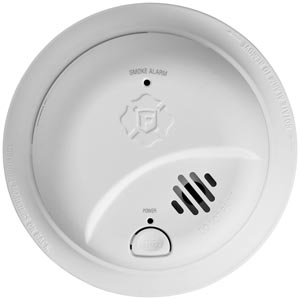
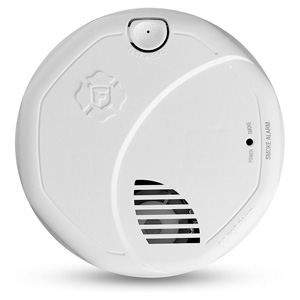
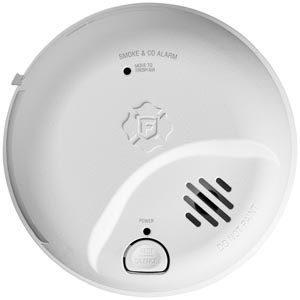
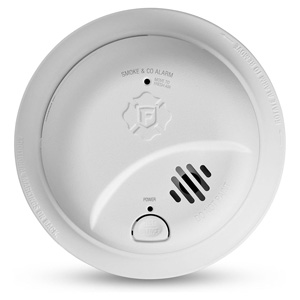
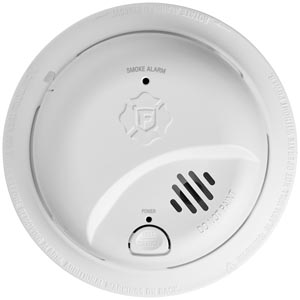
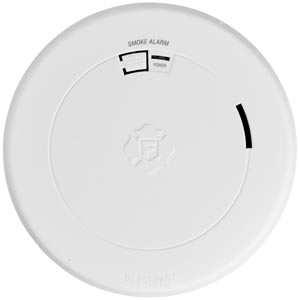
For battery only homes, 10 year sealed battery alarms such as the First Alert SM210 satisfy state tamper proof mandates (including California SB 745) without routine battery maintenance. For homes with 120V AC wiring, hardwired models like the First Alert SMI100-AC provide continuous electrical power paired with backup protection.

Combustible Gas & Natural Gas Compliance

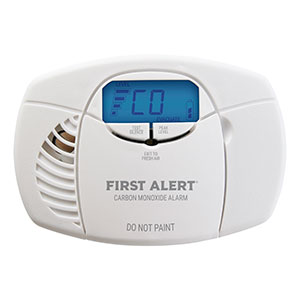
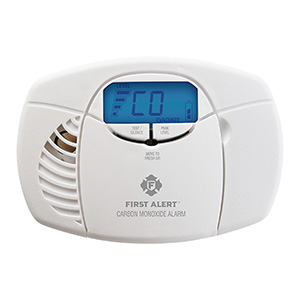
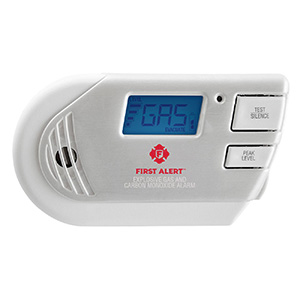
To satisfy emerging natural gas and propane safety laws (including Illinois HB 3652, NYC Local Law 157, and NFPA 715 recommendations), homeowners and property managers can install the First Alert GCO1CN Combination Explosive Gas and Carbon Monoxide Alarm. This unit plugs directly into standard 120V AC wall outlets with battery backup, actively monitoring for methane (natural gas), propane (LP gas), and carbon monoxide.

Landlord and Property Manager Responsibilities

Property managers and rental property owners carry specific legal obligations regarding fire and gas safety devices. Understanding how building age and occupancy type intersect with local laws prevents costly inspection failures.

Tenant Turnover Compliance

Most jurisdictions mandate that landlords test and certify all smoke, CO, and gas alarms prior to tenant move in. Installing 10 year sealed battery smoke alarms eliminates issues with tenants disabling devices by removing batteries for other household items.

Multi Family Code Enforcement

Multi family properties frequently undergo regular municipal inspections. Installing compliant 10 year sealed smoke units and plug in natural gas alarms protects property investments, satisfies municipal ordinances, and maintains insurance compliance.

Required Placement Locations Under NFPA 72 & Fuel Gas Codes

Regardless of state, national fire and building codes mandate specific placement standards for residential units:

  • Inside Every Bedroom: One smoke alarm inside each designated sleeping room.
  • Outside Sleeping Areas: One smoke alarm in the immediate hallway or vicinity outside each sleeping cluster.
  • Every Floor Level: At least one smoke alarm on every level of the home, including basements and finished attics.
  • Carbon Monoxide Placement: Centrally located outside each separate sleeping area and on every level of homes with fuel burning appliances or attached garages.
  • Natural Gas and Propane Placement: Installed in rooms containing gas fueled appliances (such as boilers, furnaces, stoves, or water heaters) in accordance with manufacturer spacing rules and fuel gas standards (such as NFPA 715 and Illinois HB 3652).

Compliance Features Worth Comparing

Selecting code compliant alarms also involves choosing features that reduce nuisance alarms and provide clearer occupant warnings during an emergency.

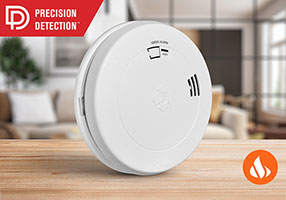
Precision Detection

Meets the latest UL 217 8th and 9th edition safety standards, designed to reduce nuisance alarms from routine cooking smoke while responding quickly to real fires.

Voice Location Alerts

Announces the type and specific room location of the danger, assisting multi story and rental occupant evacuation.

Multi Gas Hazard Protection

Combines explosive gas detection (methane and propane) with electrochemical carbon monoxide sensing in a single compact plug in unit like the First Alert GCO1CN.

How to Ensure Your Property Passes Inspection

Before scheduling a municipal or tenant fire safety inspection, run through this quick checklist:

  • Are all battery operated units equipped with non removable 10 year sealed batteries where required by state law?
  • Have all alarms older than 10 years from their manufacture date been replaced?
  • Are hardwired alarms correctly interconnected so that triggering one sounds all units on the circuit?
  • Are alarms positioned correctly inside all bedrooms, exterior hallways, and on every dwelling level?
  • Are fuel gas alarms installed in rooms containing gas piping or appliances if mandated by state and municipal laws (such as NYC Local Law 157 or Illinois HB 3652)?

Do landlords have to install natural gas and explosive gas alarms?

In jurisdictions with active or emerging gas alarm legislation (such as New York City under Local Law 157, Illinois under HB 3652 / Fuel Gas Detector and Alarm Act, Maine, and Massachusetts), property owners and landlords must install combustible fuel gas alarms in rooms served by natural gas, propane, or LP gas appliances. Installing the plug in First Alert GCO1CN satisfies these requirements.

Do landlords have to install 10 year sealed battery smoke detectors?

In states with sealed battery legislation (such as California, Illinois under the Smoke Detector Act, New York, Maryland, and Florida), landlords must install 10 year sealed tamper proof battery alarms whenever replacing standalone battery operated smoke detectors. If the property has existing 120V AC hardwiring, hardwired alarms with battery backups must be maintained.

Can I replace a hardwired smoke alarm with a battery powered model?

No. Under the International Residential Code and NFPA 72, you cannot downgrade an existing AC hardwired alarm circuit to battery only alarms. Modern AC hardwired units with integrated battery backup must be used to maintain code compliance.

Why is mixing different smoke alarm brands prohibited on hardwired lines?

NFPA 72 mandates that interconnected alarms use identical communication protocols on the traveler wire. Differing signal protocols between brands can prevent whole home alerts during a fire.

How often do residential smoke and CO alarms need to be replaced?

All residential smoke alarms expire 10 years from their date of manufacture due to internal sensor degradation. Carbon monoxide and combination alarms typically last between 7 to 10 years depending on the model's UL listing.

Related Products

View All Support Topics

Browse support topics by category to find product help, setup guides, troubleshooting tips, and frequently asked questions.

Haven't found the answer? We can help.

Contact Us

Contact options may differ depending on the type of help you need.

0 $0.00
Top